Egg white cocktails: the complete guide to silky foam and perfect sours
Share
Egg white cocktails use raw or pasteurised egg white to build a thick, velvety foam and a rounder mouthfeel, without adding sweetness or flavour of their own. The technique behind them, known as the dry shake, is what separates a flat, watery sour from one with a proper foam cap. Once you understand the method, you can apply it to almost any citrus-based cocktail you already know how to make.
Key Takeaways
- Egg white adds texture and foam, not flavour, so it works with gin, vodka, whiskey and more.
- The dry shake technique (shaking without ice, then again with ice) is what creates a stable, long-lasting foam.
- Gin and vodka are popular bases for egg white sours because their crisp, clean profiles let the citrus and foam stand out.
- Classic recipes like the whiskey sour, gin fizz and Clover Club are the best way to practice the technique.
- Always use fresh, properly stored eggs or a pasteurised egg white product, and shake (never stir) egg white cocktails.
What are egg white cocktails?
Egg white cocktails are drinks that include raw or pasteurised egg white as an ingredient, almost always shaken rather than stirred. The egg white itself barely changes the taste of a cocktail. What it does change is the texture: it turns a thin, sharp sour into something creamy and soft on the palate, with a dense foam sitting on top of the glass.
This is why egg white shows up so often in sour-style drinks. A classic sour is built from spirit, citrus and sugar, three elements that are already in balance. Add egg white and you get a fourth dimension: mouthfeel. The proteins in the egg white unfold when agitated and trap tiny air bubbles, creating that signature frothy head. It is a technique bartenders have used for well over a century, and one we teach hands-on at the Bols Cocktail Academy, because it rewards precision more than most cocktail skills. For a deeper dive, see learn more about how to shake a cocktail global.
What makes egg white cocktails approachable for home bartenders is that they do not require special equipment. A cocktail shaker, a strainer and a bit of patience are enough. The technique matters far more than the tools, and that technique has a name: the dry shake.
How does the dry shake technique work?
The dry shake technique means shaking your cocktail ingredients without ice first, then shaking again with ice. The first shake builds the foam by agitating the egg white proteins; the second shake chills the drink and dilutes it slightly, giving you a cold cocktail with a thick, stable foam cap on top.
Here is how it works in practice. You add your spirit, citrus, syrup and egg white to a cocktail shaker without any ice. Seal it tightly and shake hard for about fifteen seconds. This first shake is the part people skip when they are in a hurry, but it is the one doing the real work: without ice getting in the way, the egg white whips up properly and starts forming a tight, stable foam.
Once that first shake is done, open the shaker, add your ice, and shake again for another ten to fifteen seconds. This second shake chills the drink and adds the right amount of dilution, while the foam you already built holds its structure. Strain into your glass and you should see a distinct white or pale foam layer settle on top, ready for a few drops of bitters or a citrus twist, expressing the oil over the top. We explore this in more detail in our guide to low alcohol cocktails.
A common mistake is shaking with ice from the start. It feels efficient, but the ice interferes with how the egg white proteins unfold, so they never expand properly. After the dry shake, open the shaker, add your ice, and shake again with real intent. If you want to go a step further, some bartenders add a reverse dry shake (shaking with ice first, straining out the ice, then dry shaking) to get an even denser foam. For more detail on shaking mechanics in general, our guide on how to shake a cocktail covers grip, timing and the differences between shaker types.
Why do egg white cocktails gin recipes work so well?
Egg white cocktails gin recipes work well because gin's crisp, botanical profile stays clean under a layer of foam instead of getting lost in it. Juniper, citrus peel and herbal notes cut through the softness of the egg white, keeping the drink balanced rather than heavy.
The gin sour is probably the easiest entry point. Two ounces of gin, three-quarters of an ounce of lemon juice, three-quarters of an ounce of simple syrup and one egg white, dry shaken and then shaken again with ice, gives you a textbook example of the technique. The botanicals in gin also pair naturally with garnishes like a few dashes of Angostura bitters drawn through the foam in a simple pattern, which adds both aroma and visual appeal.
Genever, the Dutch predecessor to modern gin, can be used the same way, though its maltier, more full-bodied character changes the balance slightly. If you enjoy experimenting with genever-based sours, it is worth adjusting the sugar and citrus ratio a touch, since genever brings more weight to the glass than a classic London Dry style gin does. You'll find more context in this article about shaken vs stirred when to use each technique.
What does a cocktail with egg white vodka taste like?
A cocktail with egg white vodka tends to taste cleaner and lighter than one made with gin or whiskey, since vodka contributes little flavour of its own. The egg white foam becomes the dominant textural feature, while citrus and syrup carry most of the taste.
Because vodka is neutral, it is a forgiving base for beginners learning the dry shake technique. There is less flavour complexity to balance, so you can focus entirely on getting the foam right. A simple vodka sour, built the same way as a gin sour but swapping the base spirit, is a good practice drink before moving on to more layered recipes.
That neutrality also makes vodka egg white drinks a good canvas for flavoured syrups or liqueurs. A splash of a fruit liqueur alongside the citrus and egg white adds colour and aroma without competing with a dominant spirit character, which is part of why so many modern sour variations start from a vodka base.
Classic egg white cocktails worth learning first
Classic egg white cocktails are the recipes that established the technique long before it became a modern trend, and they remain the best way to learn it properly. The whiskey sour, the gin fizz and the Clover Club are the three most useful starting points.
This closely connects to what we wrote about 10 most popular cocktails.
The whiskey sour pairs bourbon, lemon juice, simple syrup and egg white, dry shaken and shaken again, finished with a few dashes of bitters. It is arguably the drink most responsible for popularising egg white foam outside professional bars, and it remains the benchmark against which other sours get measured. Our breakdown of classic sour cocktail recipes walks through the ratios and variations in more depth.
The gin fizz takes the sour formula and adds a splash of soda water, poured after straining, which lifts the foam even higher and adds a lighter, more effervescent finish. The Clover Club, made with gin, raspberry syrup, lemon juice and egg white, shows how fruit and foam can work together rather than one dominating the other. All three recipes rely on exactly the same dry shake principle, just applied to slightly different flavour profiles.
Popular cocktails with egg white beyond the classics
Popular cocktails with egg white have expanded well beyond the traditional sour format as bartenders keep experimenting with the technique. The New York Sour, which floats a small amount of red wine on top of a whiskey sour, uses the egg white foam as a literal canvas, with the wine sitting in a distinct layer rather than mixing in.
The Pisco Sour, built from pisco, lime juice, simple syrup and egg white, is another widely made example, with bitters typically drawn through the foam for decoration. Amaretto sours and Aperol-based sours follow the same structure, proving how adaptable the technique is across very different spirit categories. Compare this with our approach to the ultimate guide to vodka cocktails.
Once you are confident with the dry shake, garnish and foam presentation become part of the creative process. A tight foam holds bitters patterns cleanly, and a well-aerated drink often benefits from the same principles used in our guide on how to get the best cocktail foam, particularly around shaker fill levels and shake duration.
Food safety and working with raw egg white
Working safely with raw egg white means using fresh, properly refrigerated eggs, or switching to a pasteurised egg white product if you prefer extra peace of mind. Vigorous shaking helps, but it does not replace basic hygiene and sourcing.
If you are making egg white cocktails regularly at home, keep eggs refrigerated until use, wash your hands and equipment after cracking, and avoid leaving finished drinks sitting out for long periods. Pasteurised egg white, sold in cartons in many supermarkets, behaves almost identically in a shaker and is a practical option if you are serving guests who prefer that reassurance.
This is also where technique and safety overlap: a proper dry shake, followed by a second shake with ice, is not just about achieving good foam. The vigorous agitation and immediate service of the drink are part of standard bartending practice. If you want to build real confidence with these methods under expert guidance, hands-on courses at the Bols Cocktail Academy cover ingredient handling alongside shaking technique, glassware and garnish, the full skillset behind a well-made sour. For a deeper dive, see learn more about anise flavored alcohol in cocktails from pastis to sambuca.
If you would rather see the technique in action before trying it yourself, a visit to the Bols Cocktail Experience in Amsterdam lets you watch bartenders build foam-topped cocktails at the bar and ask questions in person. It is a relaxed way to pick up details that are hard to learn from a recipe card alone, and a natural next step if this guide has you curious to see more.
Frequently Asked Questions
Do egg white cocktails taste like egg?
No. Properly shaken egg white has almost no flavour of its own; it mostly adds a silky texture and a foam layer on top of the drink.
Can I skip the dry shake and just shake once with ice?
You can, but the foam will be thinner and less stable, since the ice interferes with how the egg white proteins expand during shaking.
Is it safe to drink raw egg white in cocktails?
Using fresh, well-stored eggs or a pasteurised egg white product is considered standard practice in bars, and vigorous shaking plus prompt serving are part of that standard. We explore this in more detail in our guide to cocktail selector.
Can I use egg white substitutes in cocktails?
Aquafaba, the liquid from cooked chickpeas, is a common plant-based alternative that foams in a similar way, though the texture and stability can differ slightly from egg white.
What is the best glassware for egg white cocktails?
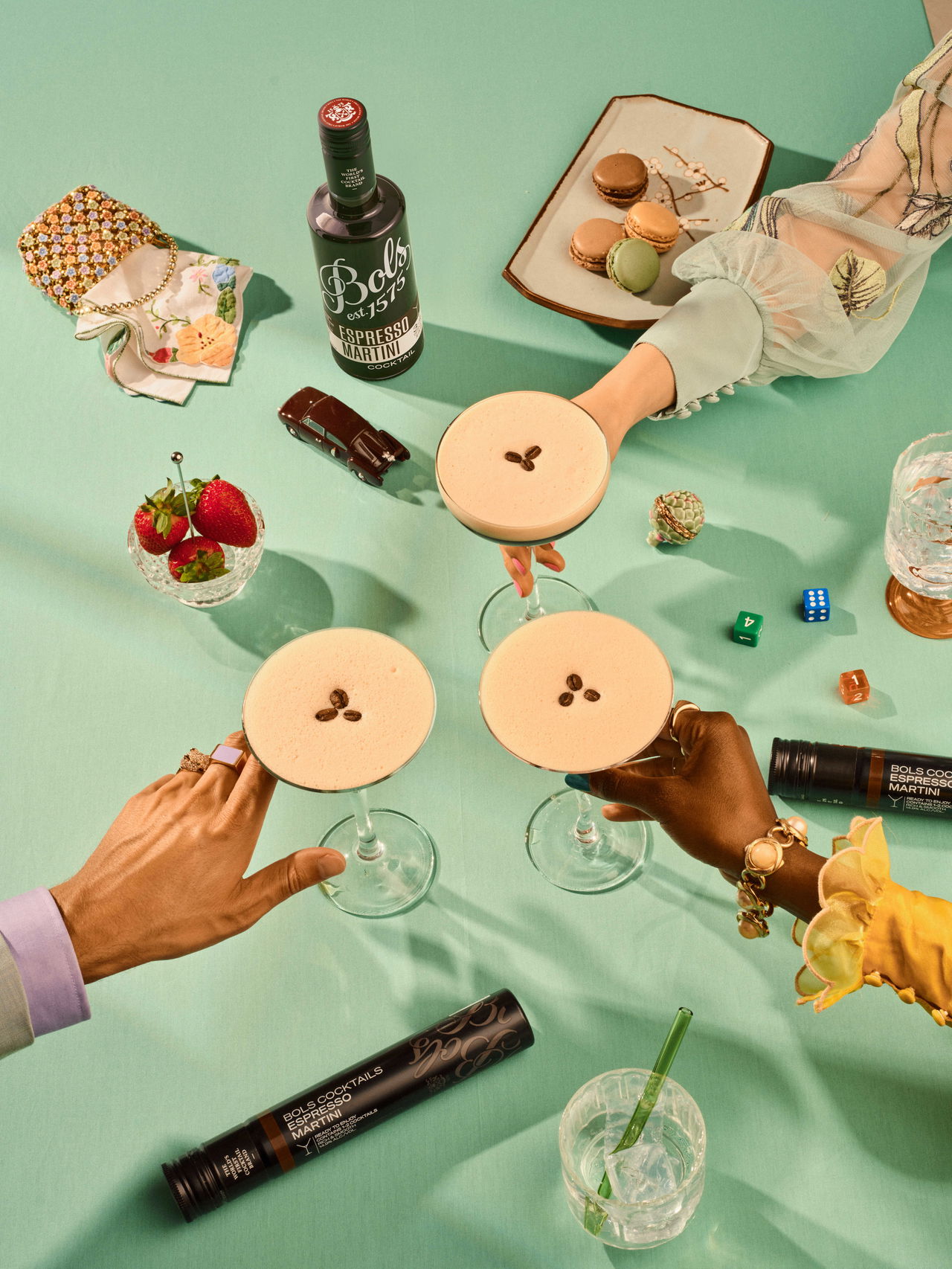
A coupe or a small rocks glass works well, since the wider opening shows off the foam layer and makes it easier to add bitters or a garnish on top.