Shaken vs stirred: when to use each technique
Share
Shake cocktails that contain citrus juice, cream, egg white, or any other opaque ingredient. Stir cocktails made entirely from spirits and liqueurs. This single rule covers about ninety percent of the drinks you will ever make, and understanding why it works will instantly make every cocktail you produce taste more balanced and feel more intentional.
The short answer
Shaking vs stirred is not a matter of preference or film references. It is a technical choice based on what is in your glass. Shaking agitatees ice violently, which chills the drink fast, adds water through dilution, and incorporates tiny air bubbles that change the texture. Stirring does the same chilling and diluting, but gently, without aeration, which keeps the liquid clear and silky.
What actually happens inside your shaker or mixing glass
When you pick up a cocktail shaker, you are setting off a small chain reaction. The ice moves fast, shattering slightly against the metal walls and colliding with the liquid. That contact does three things at once: it drops the temperature quickly, it chips fragments off the ice that melt into the drink (dilution), and it traps micro-bubbles of air in the liquid. Zie voor de verdieping meer over how to shake a cocktail.
Stirring in a mixing glass works by the same thermal principles, but the contact between ice and liquid is controlled and slow. The ice melts at a steadier pace, dilution is gradual, and no air enters the drink. That is why a well-stirred Martini looks almost oily in the glass, catching the light cleanly. A shaken Martini will look slightly hazy and feel lighter on the palate, which is not necessarily wrong but is a deliberate textural choice.
These are not random outcomes. Professional bartenders choose between the two techniques the way a chef chooses between roasting and steaming: both apply heat, but the results are different and each suits different ingredients.
When to shake a cocktail
When to shake a cocktail comes down to what is in the recipe. If any ingredient does not mix easily with spirits by gentle stirring alone, shaking is almost always the right call. Fresh citrus juice, egg white, cream, coconut cream, and fruit purees all fall into this category.
Citrus juice and spirits have different densities and polarities. Shaking forces them together repeatedly and creates an emulsion that is stable enough to drink. The same is true for egg white, which needs the agitation to denature slightly and form a foam. That is why a Whisky Sour or a Clover Club goes into a shaker. Skipping that step and stirring instead would leave the drink separated, flat, and lacking the bright, lively character those cocktails are known for. If you want to understand how foam forms in more depth, this guide on getting the best cocktail foam covers it step by step.
Dairy-based drinks like a Brandy Alexander or cream-heavy after-dinner cocktails also need shaking. Cream and spirits need encouragement to combine, and the cold generated by shaking helps set the texture. Shake hard, strain quickly, and serve immediately.
When to stir a cocktail
When to stir a cocktail: any drink made entirely of spirits and liqueurs should be stirred. No exceptions. A Martini, a Negroni, a Manhattan, an Old Fashioned, a Rob Roy. All spirit, all stirred. We gaan hier dieper op in bij onze uitleg over cocktail experience.
The reason is straightforward. These ingredients already mix easily with each other. Shaking would only add aeration, which would make the drink cloudy and give it a lighter, almost watery mouthfeel. Spirit-forward cocktails are built around depth and balance. That quality comes from the viscosity of the spirits, and shaking strips it away. A stirred Negroni has a satisfying, almost syrupy weight on the palate. Shaken, it loses exactly what makes it special. For a detailed walkthrough of the actual stirring process, our guide on how to stir a cocktail takes you through every step.
There is one nuance worth knowing. Some cocktails sit in a grey zone, containing mostly spirits but also a small amount of vermouth or an aromatic modifier. These still belong in the mixing glass. The defining question is not complexity, it is whether any ingredient actively resists mixing without agitation.
How dilution, texture, and temperature work differently
Dilution is the most underestimated factor in both techniques. A cocktail without enough water tastes harsh and one-dimensional. Too much, and it becomes weak and flat. Shaking for ten to twelve seconds typically adds around twenty-five to thirty percent water by volume to the drink. Stirring for around thirty seconds delivers a similar amount, just more gradually and without the texture change.
Temperature behaves differently too. Shaking chills a drink faster because of the larger surface area contact between ice and liquid. You can reach roughly minus five degrees Celsius in a well-shaken cocktail, which is slightly colder on average than a stirred drink measured at the same time. That extra chill matters for juice-forward cocktails because it tempers the acidity of citrus and makes the drink taste more cohesive.
Texture is where the two techniques diverge most clearly. Shaking creates a drink that feels lighter, sometimes almost effervescent on the tongue. Stirring produces something denser and more integrated. Neither is better in absolute terms. The right texture is the one that matches what the drink is trying to achieve. A Daiquiri should feel bright and refreshing. A Martini should feel composed and weighty. The technique is how you get there. Meer context vind je in dit artikel over how to layer a cocktail.
Which cocktails belong to which technique?
Here is a practical reference organized by cocktail family.
Shake: Margarita, Daiquiri, Cosmopolitan, Espresso Martini, Aperol Spritz base (before topping), Pisco Sour, Whisky Sour, Clover Club, Tom Collins base, and any cocktail with fresh juice or dairy.
Stir: Martini, Negroni, Manhattan, Old Fashioned, Rob Roy, Vieux Carré, Boulevardier, and any cocktail built entirely from spirits and liqueurs.
Some drinks are stirred and then modified. An Old Fashioned is stirred in the glass over ice. A Negroni is stirred in a mixing glass and then strained. The job of a bartender involves knowing these distinctions instinctively, not just following a list. That instinct comes from practice and from understanding the logic behind each choice. Dit sluit nauw aan op wat we schreven over advanced mixology techniques scaling stabilization.
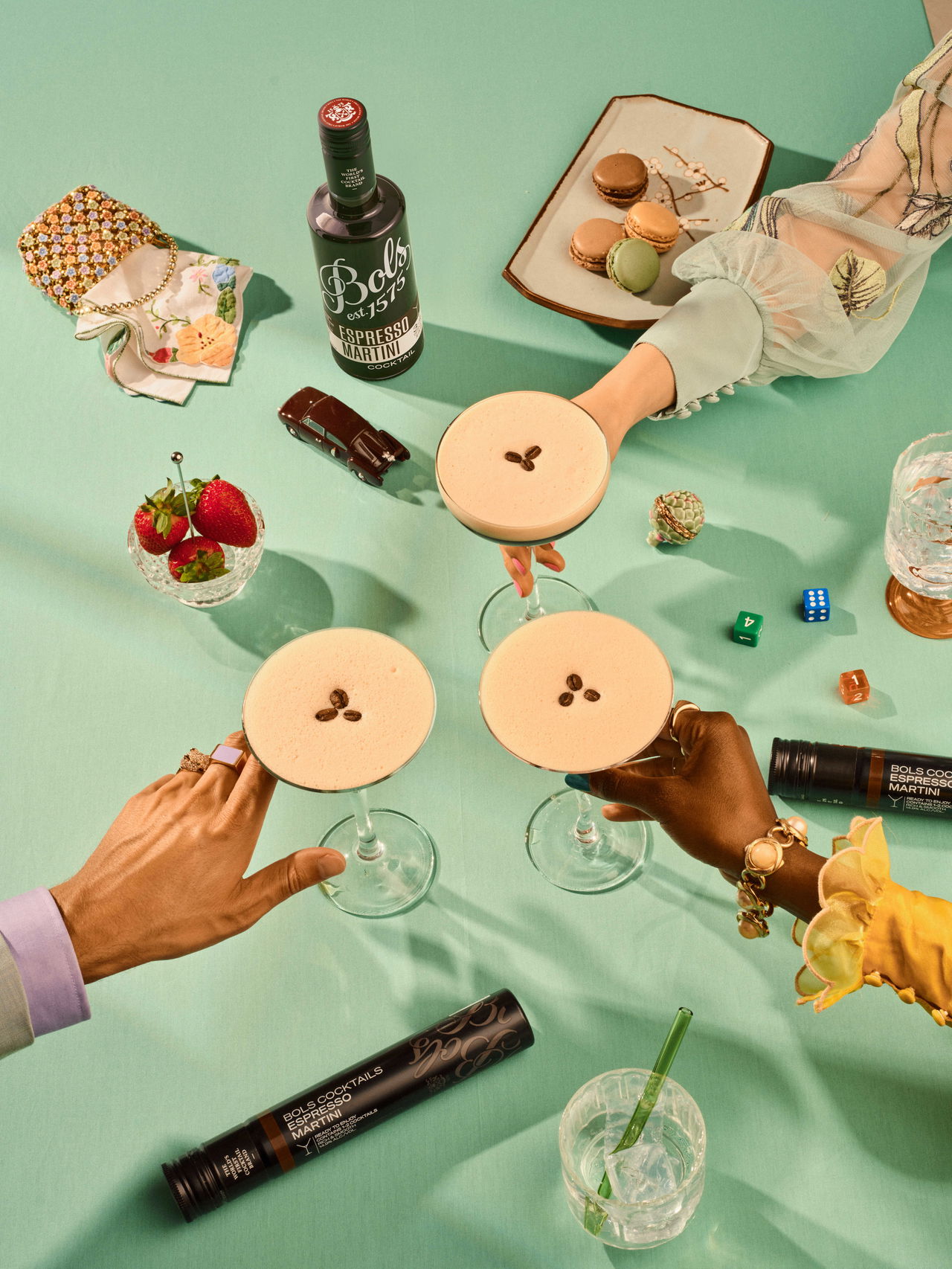
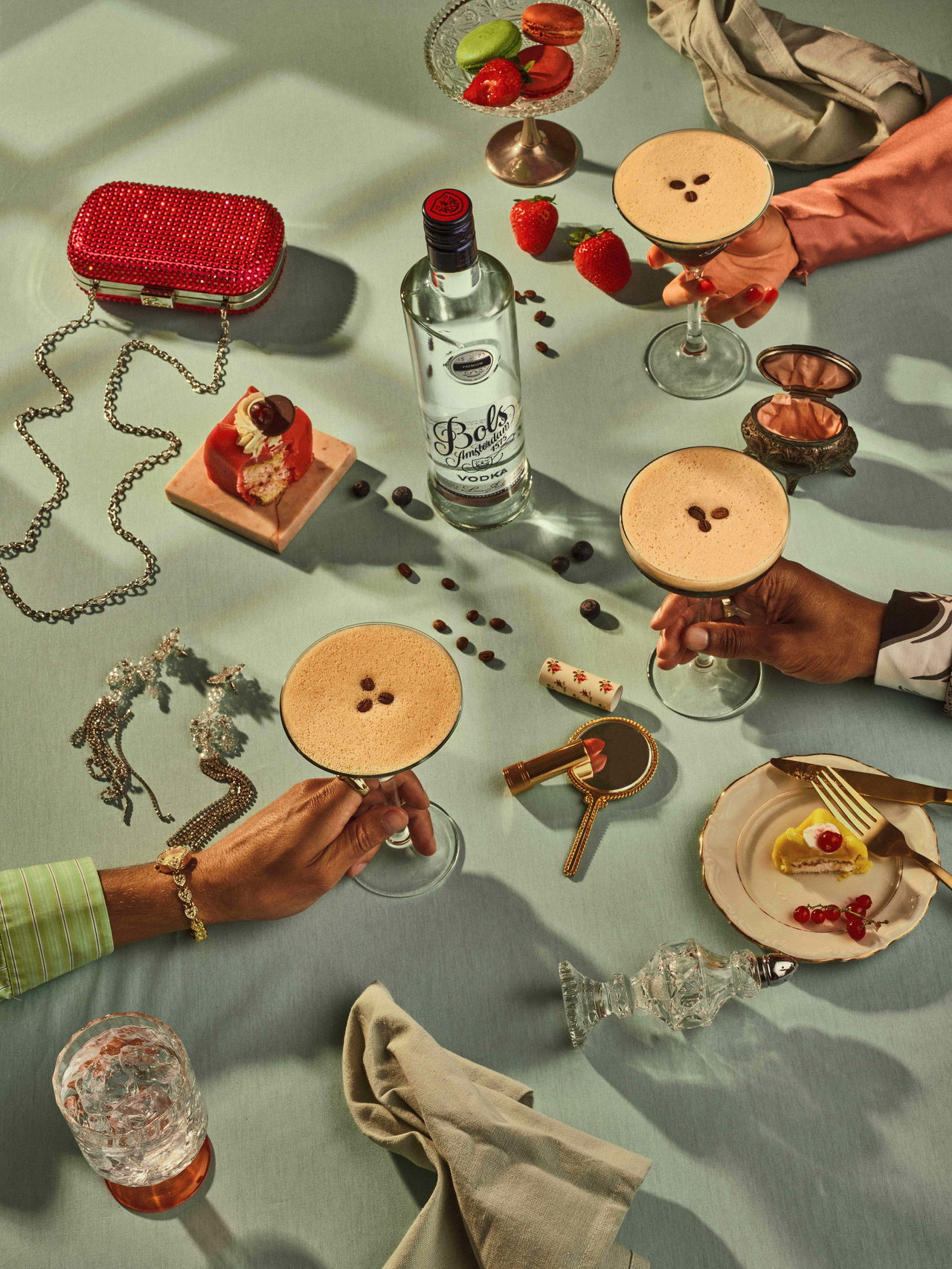
The Espresso Martini is worth a special mention because it confuses people. Despite the name, it is shaken, not stirred. It contains cold espresso and coffee liqueur, both of which need vigorous shaking to emulsify properly and create the characteristic foam on top. The foam is not optional. It is proof the drink was made correctly.
The most common mistakes bartenders make
Mistake one: shaking spirit-only drinks. This happens when someone wants a colder drink faster, or when they enjoy the theatre of the shaker. The result is a diluted, aerated cocktail that lacks the depth it should have. Stir it. Trust the process.
Mistake two: under-stirring. A Martini that was stirred for ten seconds is under-diluted and too warm. It will taste harsh and the alcohol will dominate. Thirty seconds minimum in a mixing glass filled with fresh ice. Count it out if you need to.
Mistake three: shaking without a proper seal. A cocktail shaker has a tight-fitting tin or cap for a reason. Grip both ends firmly, point the top away from guests, and shake with your whole arm. A half-hearted shake gives you a lukewarm, under-mixed drink.
Mistake four: using old or wet ice. Ice that has been sitting out already has a film of water on it. That water dilutes your drink before you even start. Use fresh, dry ice from the freezer whenever possible. It chills faster and gives you more control over dilution.
Mistake five: not tasting as you go. Cocktail techniques are precise, but the ingredients you use every day vary slightly in temperature, sugar content, and acidity. Taste your drink before you pour and adjust. A small squeeze of citrus or a barspoon of syrup can rescue an otherwise good cocktail. Vergelijk dit met onze aanpak van ready to enjoy cocktails.
If you want to go deeper on all the tools involved in these techniques, the guide to cocktail bartender tools walks you through what each piece of equipment actually does and why it matters.
At Bols, these cocktail techniques are part of the foundation we teach at every level of the Bols Bartending Academy. From a one-day introductory course to advanced professional programmes, understanding when and how to shake or stir is one of the first skills students master. It sounds simple, but getting it consistently right is what separates a good cocktail from a great one.
Frequently Asked Questions
Does shaking make a cocktail colder than stirring? Yes, shaking typically chills a drink slightly faster and to a lower temperature than stirring, because the violent movement creates more contact between ice and liquid. However, a properly stirred cocktail (around thirty seconds with fresh ice) reaches a very similar final temperature.
Can I stir a cocktail that has citrus juice in it? Technically yes, but the result will be a separated, poorly mixed drink. Citrus juice does not combine with spirits through stirring alone. Always shake cocktails containing fresh juice, cream, or egg white.
Why does my Martini look cloudy after shaking? Shaking traps micro-bubbles of air in the liquid, which scatters light and makes the drink appear hazy. This is normal for a shaken Martini. If you prefer a clear, glossy appearance and a fuller mouthfeel, stir it instead. Zie voor de verdieping meer over pornstar martini.
How long should I shake a cocktail? Ten to twelve seconds of hard shaking is usually enough for most cocktails. Drinks with egg white benefit from a dry shake first (no ice, ten seconds) to build foam, followed by a second shake with ice to chill and dilute.
Is the shaken vs stirred choice just about taste? No. It affects temperature, dilution, and texture all at once. The technique is a tool for achieving a specific result. Understanding which outcome you want, and choosing the right method to get there, is one of the core skills of cocktail-making.