Modern Tiki Cocktails: why Structure Beats Sugar
Share
Modern tiki cocktails are tropical-style drinks built on rum, fresh citrus and layered syrups, finished with playful garnish and a sense of theatre. Like classic sours, tiki drinks rely on balance between strong, aromatic ingredients and careful technique, rather than sweetness alone. They take the spirit of mid-century tiki bars and update it with fresher ingredients, lighter sweetness and more creative flavour pairings, while keeping that unmistakable festive, escapist mood alive.
Key Takeaways
- Modern tiki cocktails lean on rum, citrus, exotic liqueurs and balanced syrups, not just sugar and umbrellas.
- Garnish and glassware are part of the flavour experience, not decoration added as an afterthought.
- A handful of good tools and a small liqueur collection are enough to start building your own tiki drinks list at home.
- Egg white techniques from classic sours can be borrowed into rum-based and vodka-based tropical drinks for a silkier texture.
- Genever adds a distinctly Dutch backbone to tiki-style builds, giving the category a whole new direction to explore.
- Seasonal fruit swaps keep your tiki recipes interesting across the whole year, not just summer.
What Structure Makes a Tiki Cocktail Work?
What separates a real tiki cocktail from a simple rum-and-fruit mixture is structure: an acid (lime, sometimes grapefruit), a sweetener (orgeat, falernum, cane syrup), and a spirit base that is rarely just one rum. Bartenders blend an aged rum with a funky pot-still rum and sometimes an overproof rum to build depth, the same way a chef layers stock, spice and fat.
These drinks descend from mid-twentieth-century exotic bar culture, but today's versions use fresher juices, house-made syrups and less refined sugar than their originals.
Presentation matters too. Tiki culture was always about atmosphere: carved mugs, flaming garnish, paper umbrellas. Modern versions keep that spirit but tone down the kitsch, think a chilled coupe with a single dehydrated citrus wheel and a sprig of mint, rather than a mug drowning in fruit.
For more on the spirit itself, our guide on mixing with rum covers aged expressions and the funkier styles that give tiki drinks their backbone.
The Flavour Building Blocks Behind Modern Tiki Cocktails
Rum provides the base and the funk, citrus provides brightness, orgeat or falernum provides body, and a fruit or herbal liqueur ties it all together with aroma.
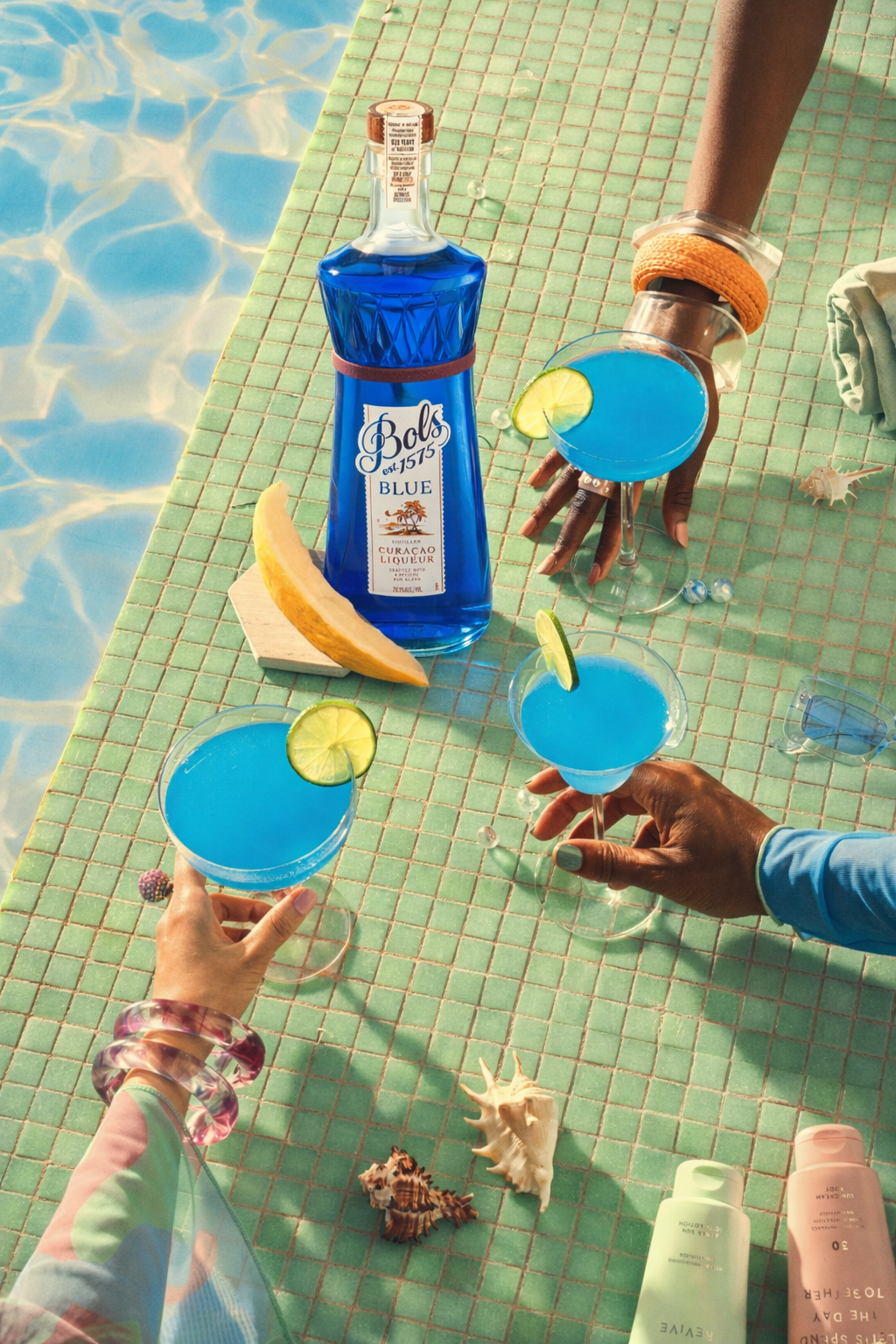
Citrus is non-negotiable. As the Bols Bartending Academy teaches, fresh lime juice, squeezed the same day, is what keeps a tiki cocktail from tasting like a dessert. Bottled juice loses its aromatic oils within hours, and the difference is noticeable even to a casual drinker. Pair that acidity with a liqueur with real character, Bols Triple Sec for clean, dry orange brightness, or something more herbal for contrast, and you have most of what you need.
Spice is the other pillar. Falernum (a lime, clove and almond spiced syrup) and allspice dram bring warmth without heat, making tiki drinks feel rich rather than just sweet. If you're curious how anise and other aromatic spirits show up in classic mixed drinks, our piece on anise-flavored spirits from pastis to sambuca explains how these intense ingredients are dosed carefully rather than poured heavy-handed.
Garnish closes the loop. A charred lime shell, a sprig of mint slapped between your palms to release its oil, or a float of high-proof rum on top, these are technique, not decoration. They change how the drink smells before you sip, which changes how balanced it tastes.
Unique Tiki Cocktails Worth Making at Home
Start with a classic-format sour: white rum, lime, Bols Triple Sec and a touch of falernum, shaken hard and served over crushed ice.
A more original build layers pineapple juice with an amaretto-style almond note and a dash of grapefruit for bitterness, finished with a rum float. Good tiki recipes always include something bitter or dry to stop the drink turning cloying, this is what keeps a balanced build from tipping into fruit-heavy sweetness.
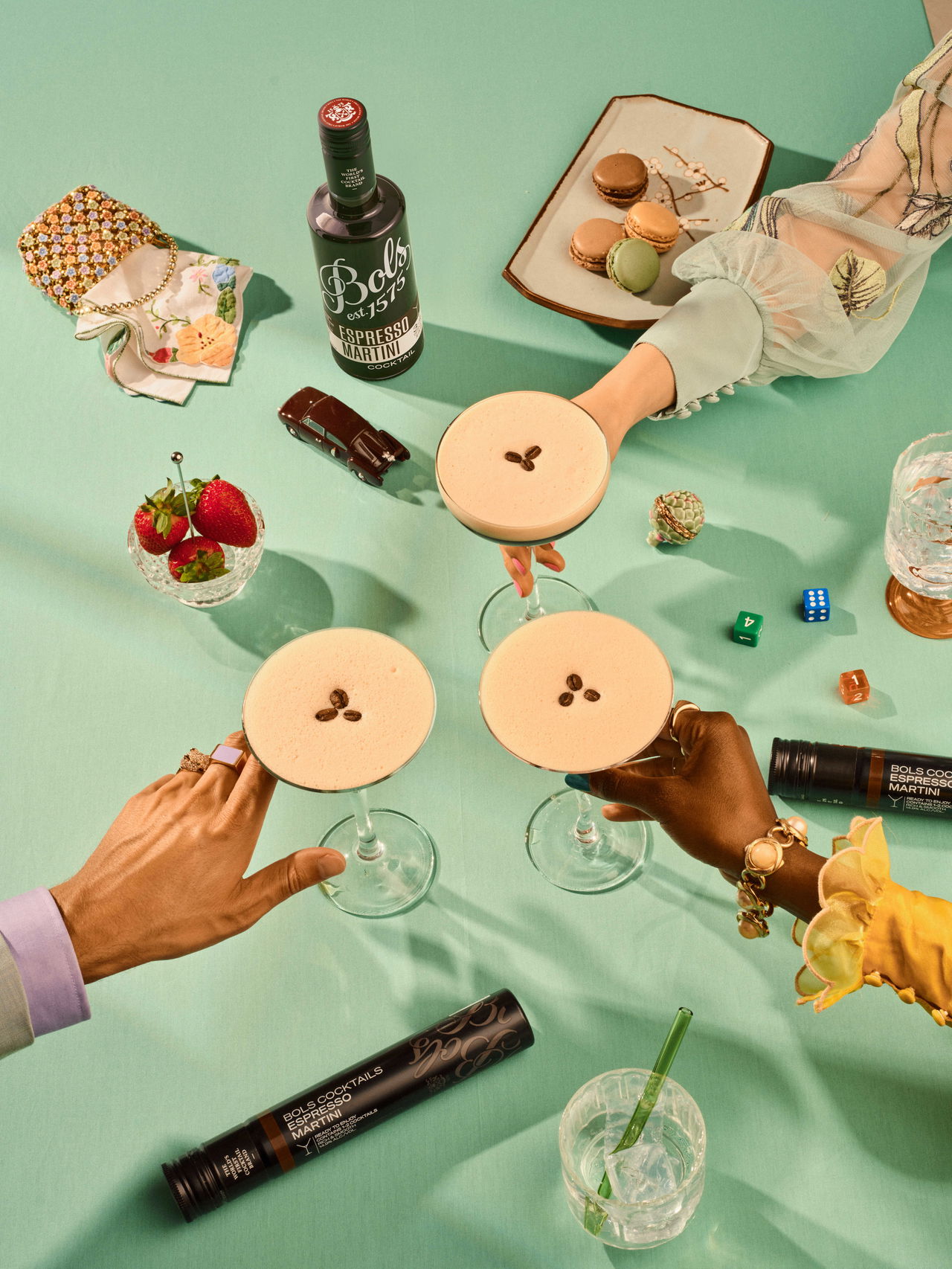
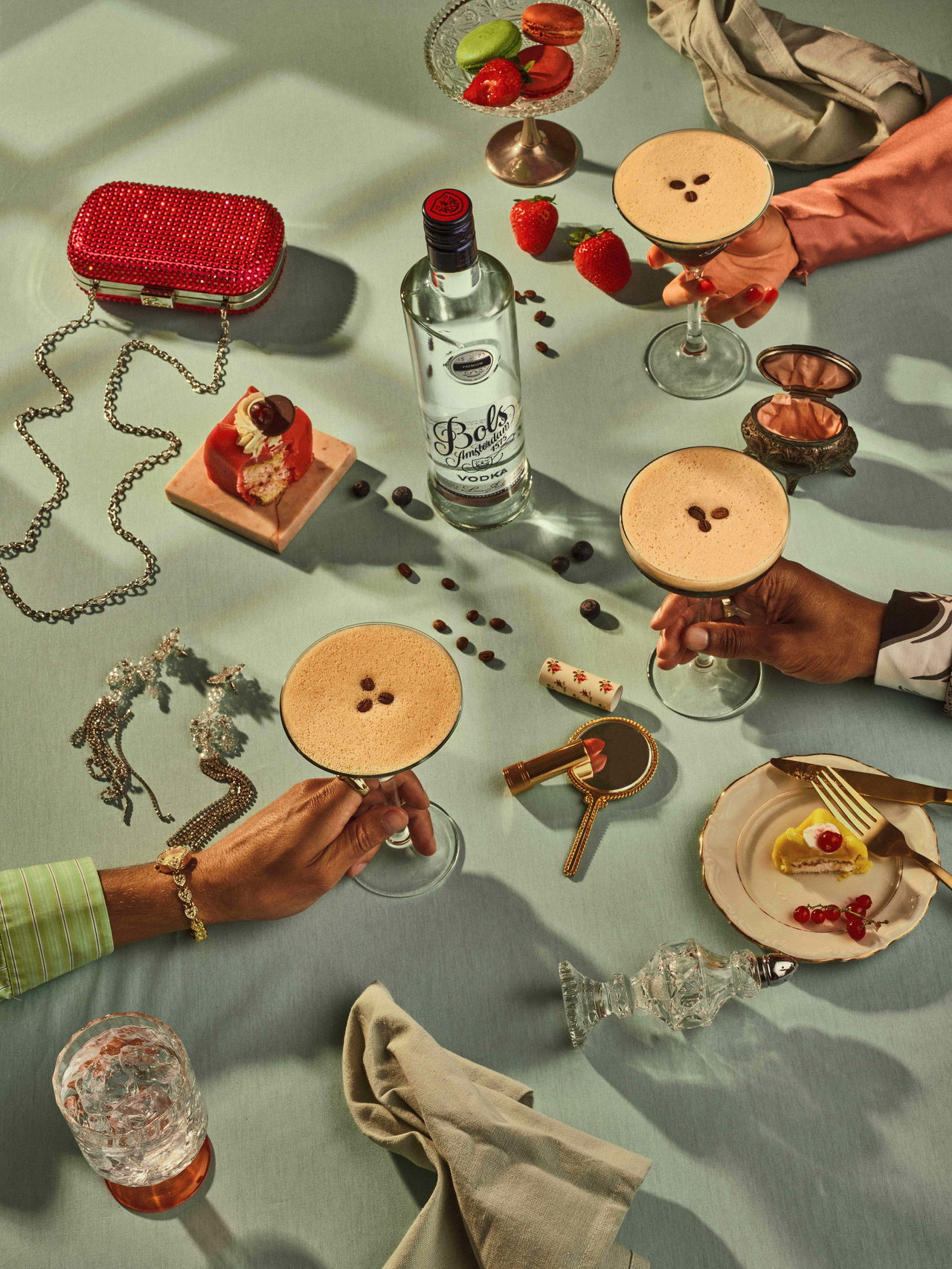
For added texture, fold fresh egg white into rum-forward tiki builds. The proteins bind with the citrus acidity during a hard shake to create a fine, stable foam that softens sharp lime notes without diluting them. The same technique works with a vodka base: shake vodka, lime, pineapple and a tropical liqueur with egg white until it feels heavier in the tin, then finish with a hard shake once ice is added. If you want to push that vodka variation further into tiki territory, replace part of the vodka with Bols Genever for a rounder, slightly malty edge, or add a small measure of Bols Triple Sec to tie the citrus and pineapple together the way it does in the rum version. Strain into a coupe glass either way. This silky layer transforms even simple ingredients into a drink that feels at home in upscale bars or your own collection.
Genever Tiki: A Dutch Twist on a Tropical Classic
Tiki has always borrowed from whatever a bartender's cabinet holds, and genever fits that spirit better than most people expect. Where rum brings sweetness and funk, genever brings a malty, slightly savoury backbone closer to whisky than to white spirits, which changes how the whole drink behaves.
Build it the same way you would a rum tiki sour: fresh lime for acid, a spiced syrup like falernum or orgeat for body, and a fruit liqueur for aroma. Swap out half or all of the rum for Bols Genever, and the tropical fruit and citrus start to taste rounder, with a grainy, slightly herbal edge underneath instead of a sugary one. Same glass, same garnish, same crushed ice, but a distinctly Dutch backbone no rum-only build can replicate.
This is worth exploring precisely because it isn't a substitution out of necessity. It's a genuine flavour direction, one that ties tiki's borrowed history back to a spirit with over 450 years of Dutch distilling behind it.
Rum Styles Compared: Building Your Tiki Base
| Rum style | Character | Best used for |
| --- | --- | --- |
| Blended white rum | Clean, light, subtle sweetness | Bright, citrus-forward sours |
| Aged rum | Caramel, spice, oak notes | Adding depth and warmth to a blend |
| Funky/pot-still rum | Bold, fruity, sometimes grassy | Backbone in layered, complex builds |
| High-proof rum | Intense, concentrated aroma | A float on top for aroma and theatre |
Most well-built tiki cocktails blend two or more of these styles rather than relying on one bottle, the same way a bartender layers bitters and syrups to build complexity into a single glass. Learning to taste and adjust a blend by feel, rather than following a fixed ratio, is a skill that develops with practice behind the bar.
How Do You Choose a Good Tiki Cocktail Book?
Look for three things: it should explain the acid-sweet-spirit ratio behind each drink rather than just listing ingredients, it should cover rum styles and blending rather than assuming one bottle fits every recipe, and it should include technique notes on garnish, ice and shaking, not just a photo for decoration.
A book that passes those tests will teach you to adapt drinks to whatever is on your shelf, rather than sending you shopping for one obscure bottle per recipe. Pair that reading with hands-on practice, and you will progress faster than by memorising recipes alone.
Essential Ingredients and Tools for Tiki Cocktail Making
Building a home tiki bar does not require a room dedicated to bottles. A few well-chosen bottles take you further than a crowded shelf of mediocre ones. Start with one quality aged rum, one white rum, Bols Triple Sec, falernum and orgeat. Add a bottle of bitters and you have enough to make dozens of distinct drinks.
On the tools side, a cocktail shaker, a bar spoon, a jigger and a citrus juicer are the only essentials. Crushed ice matters more than most home bartenders realise: it melts faster than cubes, which is exactly what you want in a tiki drink, since it dilutes the spirit and cools the glass more evenly. A Lewis bag and a mallet will crush ice at home, or your fishmonger can crush some for you.
Seasonal Cocktail Recipes for Tiki Night Year-Round
Tiki does not have to be a summer-only category. Swapping fruit with the seasons keeps things interesting all year:
- Summer: Pineapple, passionfruit and mango for bright, juicy builds.
- Autumn: Persimmon, pomegranate and spiced syrups for a warmer profile.
- Winter: Citrus-forward drinks using blood orange or grapefruit alongside your usual rum and falernum base.
- Spring: Lighter builds with fresh pineapple and a touch of mint to shake off the winter spice.
The acid-sweet-spirit structure stays the same in every season. Only the fruit and garnish change, making this one of the easiest ways to keep a small home bar feeling fresh.
Frequently Asked Questions
What rum should I use for modern tiki cocktails?
Start with a blended white rum for bright drinks and an aged, funky rum for depth and spice. Many bartenders blend both, and some finish with a high-proof float for aroma.
Can I make tiki cocktails without fresh citrus?
No. Bottled lime juice loses aroma and tastes flat. Fresh-squeezed juice is non-negotiable for a proper tiki cocktail.
Is falernum essential?
Falernum adds signature warmth and spice to modern tiki cocktails, but a light touch of allspice dram or even cinnamon syrup can substitute in a pinch.
What does egg white do in tiki cocktails?
It creates a fine, stable foam that softens the sharp edges of citrus without watering down the flavour, giving the drink a fuller texture and a smoother sip, whether the base is rum or vodka.
Can I make a tiki cocktail with genever instead of rum?
Yes. Genever's malty, slightly savoury character replaces rum's sweetness with a grainy depth, while the same citrus, spice and garnish structure keeps the drink firmly in tiki territory.
Can I make tiki cocktails year-round?
Absolutely. Swap seasonal fruits, pineapple in summer, persimmon or pomegranate in autumn, citrus in winter, to keep recipes fresh using the same seasonal structure.
Modern tiki cocktails remain one of the most approachable and rewarding categories of home bartending because they reward creativity while respecting a few core principles: fresh citrus, a small selection of quality spirits and liqueurs, and an eye for balance.
If you'd like to build that same sense of balance with guidance from experienced bartenders, the Bols Bartending Academy teaches these techniques hands-on, from your first shake to a full tiki menu.
Drink responsibly. Not for sale to persons under the legal purchase age in your country.