Garnish Meaning in Cocktails: A Home Bartender's Guide to Better Drinks
Share
In cocktail-making, garnish meaning refers to the finishing element added to a drink, such as a citrus twist, herb sprig or piece of fruit, that shapes both its appearance and aroma. A good garnish is not decoration for decoration's sake. It changes how a cocktail smells the moment it reaches your nose, and that first impression affects how the whole drink tastes.
Key Takeaways
- Garnish meaning in cocktails covers both visual appeal and aroma, not just looks.
- A citrus twist releases essential oils that change the scent and taste of a drink.
- Dehydrated fruit gives a longer-lasting, more structured garnish than fresh slices.
- Herbs need to be bruised or slapped to release their aroma properly.
- The right garnish always matches the cocktail's existing flavour profile, rather than fighting it.
What is garnish in cooking?
In cooking, a garnish is any small addition placed on or around a dish to improve its appearance, aroma or flavour before serving. Think parsley on a plated fish, or a dusting of cocoa on a dessert. The same logic carries into cocktails, where garnish meaning shifts slightly: it is not just about looking good on Instagram, it is about aroma and balance.
A chef garnishes to finish a plate. A bartender garnishes to finish a glass. Both use the same basic idea: a small, deliberate addition at the very end of preparation. In the kitchen, that might be a herb leaf or a citrus zest. Behind the bar, it is the same toolkit, just applied to liquid rather than solid food. The difference is that a cocktail garnish often does double duty. It looks good, but it also releases aroma that reaches your nose before the drink touches your lips. That is why bartenders take garnish choice seriously rather than treating it as an afterthought.
This distinction matters for home cocktail-making. If you are new to the craft, it helps to understand cocktail essentials before worrying about garnish specifically. Get your base spirit, dilution and balance right first. The garnish is the final five percent, but it is a five percent that guests actually notice.
Why does garnish meaning go beyond decoration in cocktails?
Garnish meaning in a cocktail context includes aroma delivery, not just visual appeal. A twist of orange peel over a drink releases citrus oils into the air right above the glass, and that scent reaches your nose before you taste anything. This is why the same cocktail can taste noticeably different depending on how it is garnished.
Smell and taste are closely linked. When you lift a glass garnished with a fresh mint sprig, the herbal aroma primes your palate before the drink even reaches your lips. Swap that mint for a wedge of lime, and the anticipation changes completely. Bartenders use this constantly. A Martini finished with a lemon twist tastes brighter and more citrus-forward than the same Martini served with an olive, even though the liquid inside the glass is identical.
This is also where restraint matters. A garnish that overwhelms the drink's own flavour profile does the cocktail a disservice. Bols liqueurs are built with specific flavour notes in mind, whether that is bright citrus, soft stone fruit or rich cacao, and a well-chosen garnish should support that character rather than compete with it. Overloading a glass with three garnishes because it photographs well usually means none of them get to do their job properly.
How do you choose the right garnish for a cocktail?
Choose a garnish that echoes an ingredient already in the cocktail, rather than introducing a new, unrelated flavour. If a drink contains orange liqueur, an orange twist reinforces that note. If it leans herbal, a sprig of the same herb used in the recipe ties the presentation together.
Think about three things before reaching for the garnish tray: colour, aroma and function. Colour is the most obvious, a garnish should contrast or complement the drink's hue rather than disappear into it. Aroma is next, since a garnish sitting near the rim will influence the drinking experience more than one dropped at the bottom of the glass. Function comes last but matters just as much: a garnish that also serves as a stirring tool, like a cinnamon stick or a long citrus spiral, adds practicality on top of style.
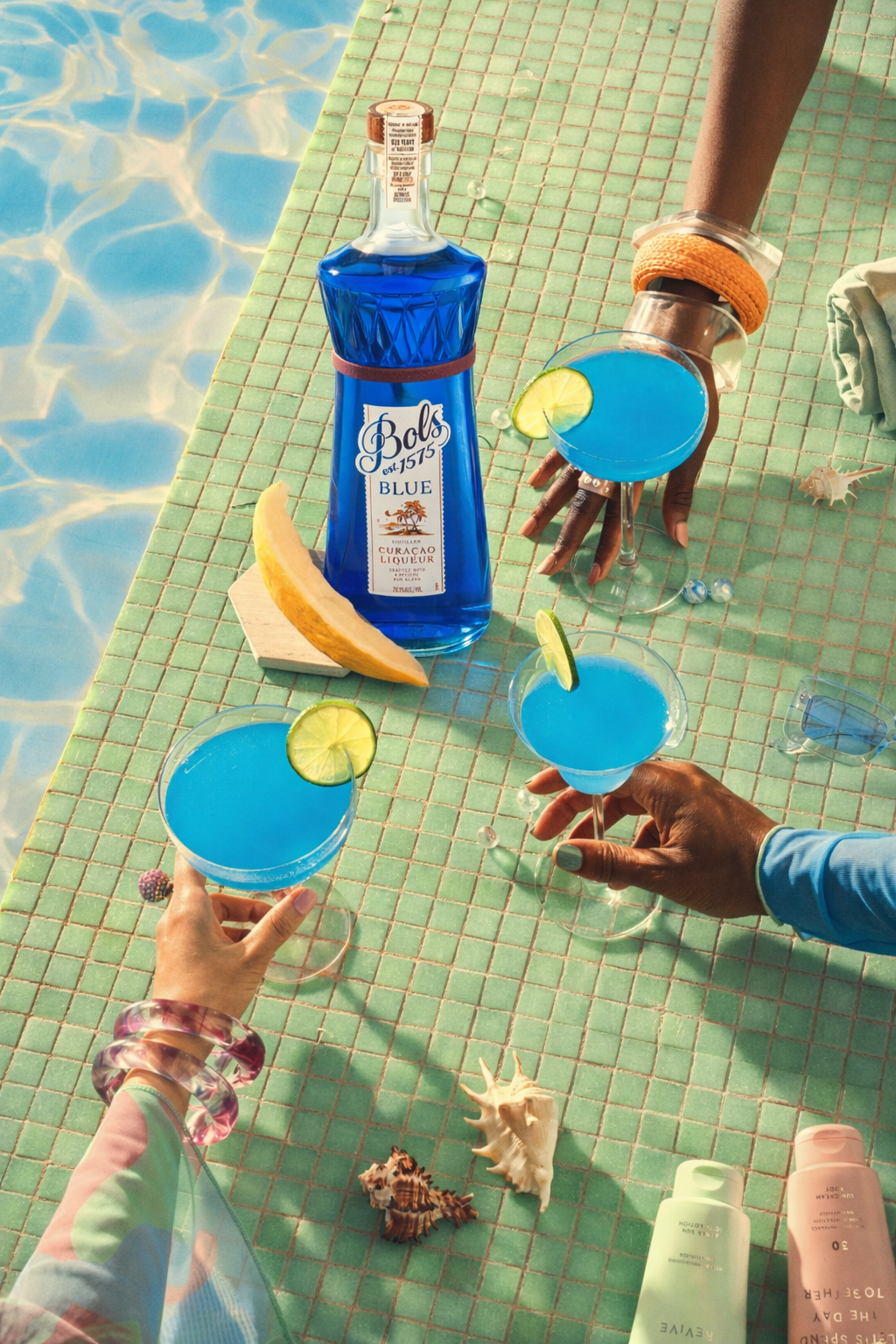
Seasonality and occasion play a role too. A bright citrus twist suits a refreshing summer cocktail by the pool, while a dehydrated orange wheel or a warming spice garnish fits better with a colder-weather serve. If you are planning drinks for a gathering, this kind of thinking pays off well beyond a single glass. Our guide to cocktail party ideas to impress your guests without the stress covers how consistent garnishing across a whole menu makes a home bar look considerably more polished.
What is the best way to cut a citrus twist?
The best way to cut a citrus twist is to slice a coin-sized piece of peel, avoiding the bitter white pith underneath, and either twist it over the glass to release its oils or run it around the rim before dropping it in. This releases aromatic oils without adding sourness to the drink.
Use a sharp paring knife or a channel knife for a clean cut. Aim for a piece roughly the size of a coin, thin enough that it bends easily but thick enough to hold its shape. Hold it peel-side down over the surface of the drink and give it a firm twist between your fingers. You will see a fine mist of oil spray across the top of the cocktail. That oil is doing the real work, it carries the citrus aroma straight into the drinker's first sniff.
For a longer spiral twist, peel around the fruit in one continuous strip using a vegetable peeler or paring knife, then wind it around a straw or the back of a spoon to create a curl. This works well for drinks served over ice, where the twist can rest along the rim or drape over the glass edge. If you want to practise the full range of preparation techniques alongside garnishing, from proper measuring to shaking, our piece on essential bar tools explained: jigger, muddler, strainer and more is a useful next step.
How do dehydrated fruit and herb garnishes work?
Dehydrated fruit garnishes are slices of citrus or other fruit that have been slowly dried in a low oven or dehydrator until they hold a firm, leathery texture. They last far longer than fresh fruit, do not release excess juice into the drink, and give cocktails a distinctive, slightly caramelised appearance.
To make them at home, slice fruit thinly and evenly, then dry it at a low oven temperature for several hours, turning occasionally, until it feels dry to the touch but still slightly pliable. Orange, lime and grapefruit wheels are popular choices because their colour holds up well through the drying process. These garnishes work particularly well on drinks served without much ice, where a fresh, juicy slice might otherwise dilute the cocktail as it sits.
Herb garnishes need a different kind of attention. A sprig of mint, basil or rosemary looks appealing straight from the packet, but it will not release much scent unless you treat it first. Give the herb a gentle slap between your palms, or lightly bruise the leaves with your fingers, right before placing it on the drink. This ruptures the cell walls just enough to release essential oils without turning the herb bitter or overly aggressive. If you plan to muddle herbs directly into a cocktail rather than using them purely as a garnish, our guide on how to muddle a cocktail explains the technique in more detail, and pairs well with learning how to shake a cocktail properly so the finished drink and its garnish arrive in balance.
Garnishing is a skill that rewards practice, and there is no substitute for trying different citrus twists, herb treatments and fruit preparations at your own bar until they feel natural. If you want structured, hands-on guidance beyond what any article can offer, Bols Cocktail Academy runs practical courses covering technique, presentation and flavour balance for home enthusiasts and aspiring bartenders alike, and you can explore the current course options through Bols Cocktail Academy.
Frequently Asked Questions
What does garnish mean on a cocktail menu?
On a cocktail menu, garnish refers to the finishing addition listed alongside a drink, such as a citrus twist, cherry or herb sprig, that shapes both its look and aroma.
Is a garnish meant to be eaten?
Some garnishes, like a cocktail cherry or a citrus wheel, are edible and can be eaten. Others, such as a citrus twist used purely for its oils, are mainly there for aroma and are not always intended to be eaten.
Can I skip the garnish if I do not have the right ingredient?
Yes. A cocktail will still taste correct without its garnish, since the garnish mainly affects aroma and presentation rather than the core flavour built from the spirits and mixers.
What is a good garnish for a strawberry daiquiri?
A fresh strawberry slice placed on the rim, or a lime wheel, works well with a strawberry daiquiri because it echoes the fruit already in the glass rather than introducing a competing flavour.
Do I need special tools to make citrus twists at home?
A sharp paring knife or a simple channel knife is enough to get started. A vegetable peeler also works well for longer spiral twists if you do not own specialist bar tools.
Ready to mix your own cocktail?
Discover the cocktail that matches your taste with the Bols Cocktail Selector. Explore more than 150 recipes filtered by flavour profile.
Find your cocktail