Easy Cocktails to Make at Home: A Beginner’s Guide to Choosing Your First Drink
Share
Easy cocktails to make at home are drinks that use two to four ingredients, basic tools and no advanced technique, such as a Gin and Tonic, a Screwdriver or a Bols Blue Lagoon. The real skill for beginners is not memorising recipes, but matching flavour, strength and effort to what you actually feel like drinking tonight.
Key Takeaways
- Choose your first cocktail by flavour family first, then check the alcohol strength and number of steps.
- Simple cocktail recipes with two or three ingredients are often more forgiving than long, layered ones.
- Light cocktail options and cocktails for non-drinkers belong on the same menu as stronger classics, not as an afterthought.
- A Boston shaker, jigger and bar spoon cover almost every easy home cocktail you will want to try.
- Bols recipes and the Cocktail Selector help you filter by taste, occasion and strength instead of guessing.
What are easy cocktails to make at home?
Easy cocktails to make at home are drinks built from a small number of ingredients you can buy at any decent shop, prepared with basic bar tools and no complicated technique. Think of a Vodka Soda, a Whisky Sour or a simple genever and tonic. They reward a steady hand more than years of bartending experience.
What makes a cocktail genuinely easy is not just the ingredient count. It is also about tolerance for error. A drink like a Negroni is short and only has three ingredients, yet it demands a fairly precise balance between bitter, sweet and boozy. A Bols Blue Lagoon, on the other hand, forgives a slightly heavy pour because the citrus and blue liqueur carry the drink regardless. If you are just starting out, favour the second type: recipes with a wide margin for error.
This is also where the idea of choosing the right cocktail becomes useful. Instead of picking whatever looks impressive on social media, ask yourself three practical questions: what flavour do I want, how strong should it be, and how much effort am I willing to put in tonight. Those three filters will get you to a satisfying drink faster than any list of ‘best cocktails’ ever will.
How do you choose a cocktail based on flavour?
Start by deciding whether you want something citrus-forward, herbal, fruity or rich and creamy, since this narrows your options faster than any technique question. Flavour preference should always come before recipe difficulty when picking a first cocktail.
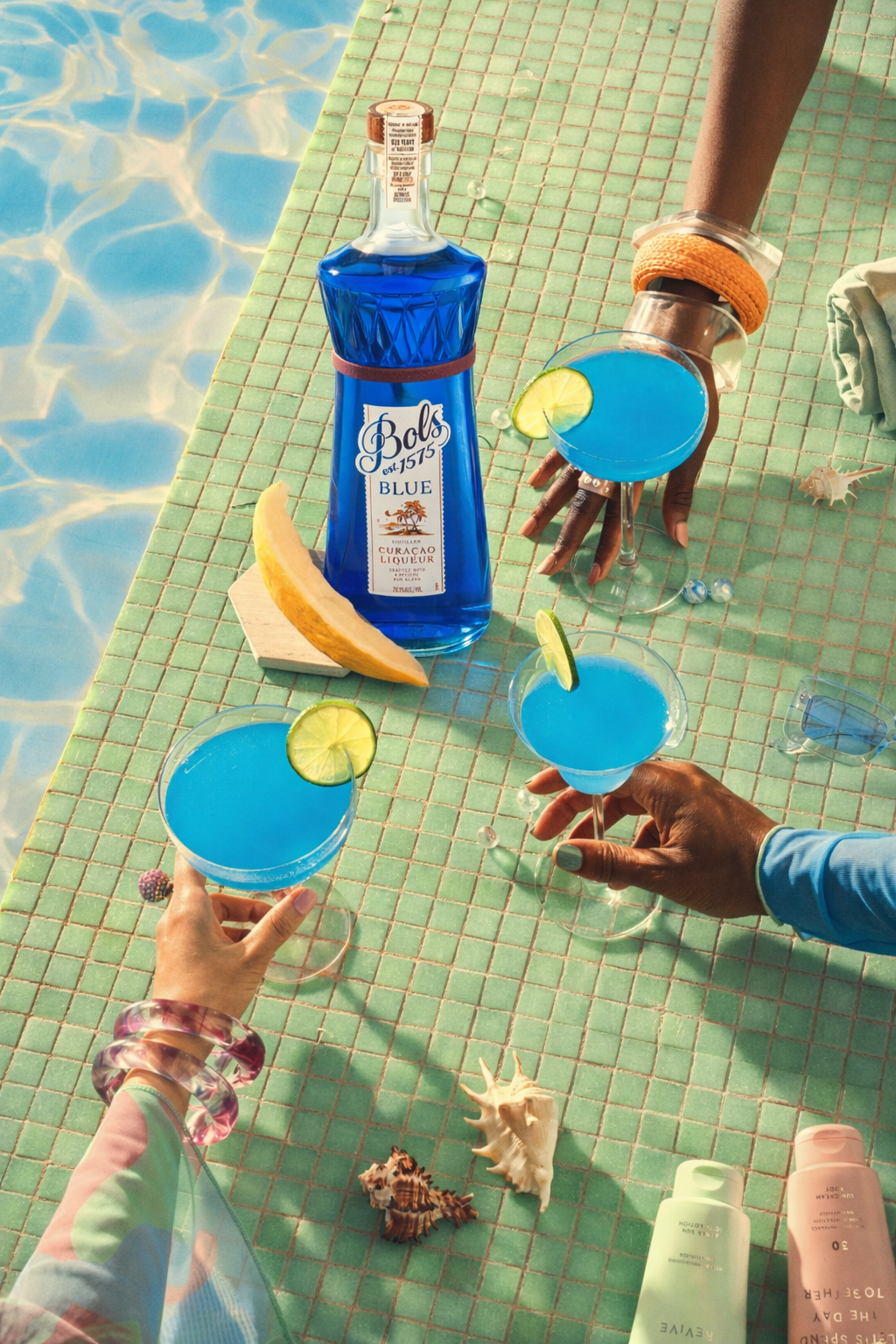
Citrus-driven drinks such as a Whisky Sour or a Cosmopolitan lean bright and slightly tart, often finishing with a crisp edge that works well before or during a meal. Herbal and bittersweet drinks, like a genever-based Dutch Mule, bring a soft, malty depth balanced by ginger and citrus, which suits people who find overly sweet cocktails a bit one-note. Fruity, colourful options, including anything built around Bols Blue Curaçao, tend to taste rounder and more approachable, which is exactly why they work so well for guests who are still finding their footing with cocktails.
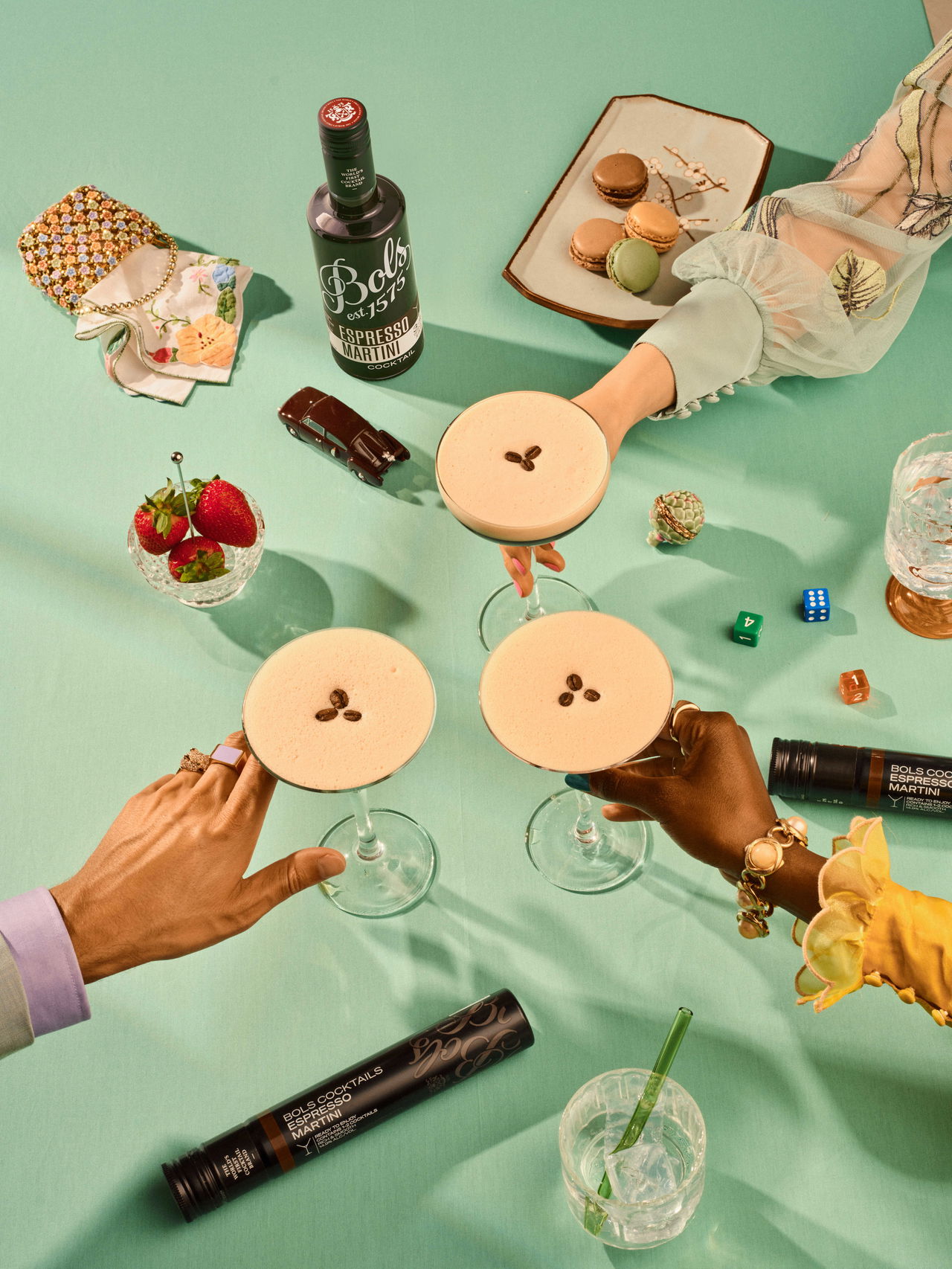
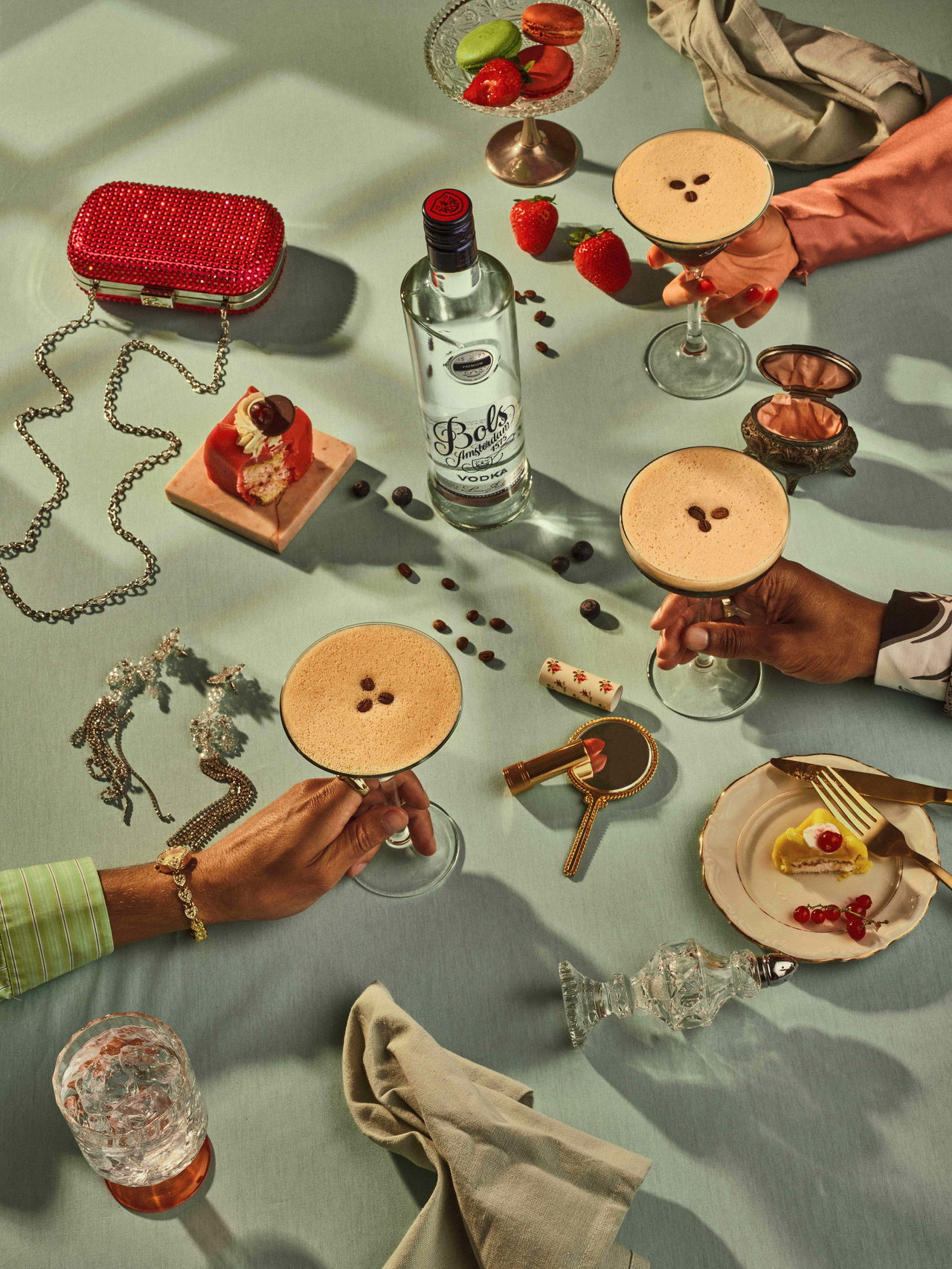
Cream and dessert-style liqueurs sit at the richer end of the spectrum. They suit an after-dinner moment rather than a warm afternoon, and they are usually easier to make consistently because the texture hides small measuring mistakes. If you are hosting a small get-together and want variety without chaos, our guide to cocktail party ideas to impress your guests without the stress walks through building a flavour-balanced menu instead of five drinks that all taste similar.
Which cocktails are actually easy to prepare??
The easiest cocktails to prepare use two to three ingredients, one tool such as a shaker or spoon, and no more than one technique, like stirring or a single shake. Anything with muddling, layering or multiple infused syrups belongs to a later stage of your cocktail-making journey.
Simple cocktail recipes such as a Vodka Cranberry, a Gin and Tonic or a Bols Genever and ginger beer only ask you to measure, pour and stir. There is very little that can go wrong, which makes them ideal for a weeknight or your very first attempt at mixing something properly rather than just pouring a spirit over ice. If you want a slightly more structured starting point, our list of cocktails with 3 ingredients is a practical place to build confidence before moving on to shaken drinks.
Once you are comfortable stirring, shaking is the next natural step. A cocktail shaken with ice, such as a Sour or a Daiquiri-style drink, needs roughly ten to fifteen seconds of firm shaking before you strain it into a chilled glass. The technique itself is simple, but it does reward practice, so do not judge your first attempt too harshly if the texture feels a little rough. For the essential kit that supports most of these recipes without unnecessary extras, our overview of cocktail essentials covers what actually earns a place on your counter.
If you are cooking for a group rather than mixing single glasses, batching is worth considering early. A single pitcher recipe removes the repetition of shaking six identical drinks one by one, and our guide on making easy large batch cocktails for a crowd without the stress explains how to scale a simple recipe up safely.
How strong should your first home cocktail be??
Your first home cocktail should sit at a strength you can genuinely gauge before you finish the glass, not one that hides its alcohol behind sugar or fizz. Strength and ease of preparation do not always move together, so it helps to check both separately.
A cocktail with a single spirit base, topped up generously with soda, tonic or juice, will usually feel lighter and more session-friendly than a stirred, spirit-forward drink like a Manhattan or a Negroni. This is not about one style being better than the other. It is about matching the drink to the occasion: a long, topped-up glass suits a slow afternoon, while a short, stirred cocktail suits a focused moment before dinner. If you want a broader sense of how different classic and modern cocktails compare in character and strength, the 10 most popular cocktails gives a useful cross-section without pushing you toward anything extreme.
Pacing matters just as much as the recipe. Even an easy, low-effort cocktail is still an alcoholic drink, and drinking water between rounds, eating something alongside your cocktails and knowing your own limit matter more than any garnish choice. Responsible enjoyment is not a footnote here. It is simply part of making a good drink genuinely good.
What if you want cocktails for non-drinkers or lighter options??
If you want cocktails for non-drinkers or something gentler, look at lower-alcohol builds, alcohol-free liqueurs or classic mocktail structures rather than treating them as a lesser version of ‘real’ cocktails. A well-made light drink can be just as balanced as a spirit-forward one.
Light cocktail options usually work by extending a small amount of spirit with soda water, fresh juice or a flavoured syrup, which lowers the overall strength while keeping the flavour interesting. A spritz-style drink is a good example: it stays crisp and easy to sip through a whole afternoon rather than demanding your full attention after one glass. For a deeper look at how to build these lighter styles at home without losing flavour, our article on low alcohol cocktails is worth reading before you shop for ingredients.
For guests who are not drinking alcohol at all, a proper alcohol-free serve deserves the same care as any cocktail on the table, from fresh citrus to a decent glass and a real garnish. Our guide on mocktails and the art of alcohol-free drinking done right shows how to build something with genuine depth, not just soda and a slice of lime. This matters for hosting too: a table with both light and full-strength drinks feels more welcoming than one where everyone is expected to drink the same thing at the same pace.
If choosing between all these directions still feels like a lot to hold in your head, Bols built the Cocktail Selector exactly for this moment: filter by flavour, occasion or strength, and let the recipe come to you instead of scrolling through another long list. It is a practical starting point whether you are mixing your first Whisky Sour tonight or building an easy home bar for the months ahead, and if you would rather learn the techniques hands-on, Bols also offers cocktail-making guidance through its Amsterdam-based cocktail experience for anyone who wants to build real confidence behind the bar.
Frequently Asked Questions
What essential bartending tools do I need to start making proper cocktails at home?
Begin with a Boston shaker (two-piece metal shaker), a bar spoon, a jigger for measuring, a strainer and a bar towel. Add a citrus juicer, mixing glass and channel knife for garnish as you progress. These basics let you shake, stir, measure and strain properly, which is the real foundation of easy cocktails to make at home. Choose stainless steel tools where you can, since they simply last longer.
What is the difference between a spirit and a liqueur, and how do I know which one to use in a cocktail?
Spirits are distilled alcoholic drinks with little to no sugar, such as gin, vodka, rum or whisky. Liqueurs are spirits infused with flavour and sweetened, such as Bols liqueurs. Use a spirit as your base and a liqueur as the modifier that adds flavour and sweetness. Most easy cocktails follow this pattern: one spirit base, one or two liqueurs, and a mixer or citrus to round it out.
What is the role of orange liqueur in classic cocktails, and are there simple substitutes?
Orange liqueur adds brightness, sweetness and depth to cocktails such as a Margarita or a Cosmopolitan, helping balance citrus against the base spirit. A quality orange liqueur, like Bols Triple Sec, is hard to replace exactly, but fresh orange juice or orange bitters can approximate part of the effect depending on the recipe and how sweet you want the final drink.
Does orgeat contain alcohol?
Traditional orgeat is non-alcoholic. It is a syrup made from almonds, sugar and water, often used to add a soft, nutty sweetness to tiki-style cocktails. Some commercial versions may contain a small amount of alcohol as a preservative, so it is worth checking the label if that matters for your recipe or your guests.
Can beginners really make good cocktails without bartending experience?
Yes, plenty of simple cocktail recipes are built specifically for this. A two or three-ingredient drink, measured with a jigger and mixed calmly, will taste consistent even on your first attempt. Start with the classic version of a recipe before adjusting sweetness or strength to your own taste, and treat each drink as practice rather than a performance.
Ready to mix your own cocktail?
Discover the cocktail that matches your taste with the Bols Cocktail Selector. Explore more than 150 recipes filtered by flavour profile.
Find your cocktail