Blood and Sand Drink: how to Choose and Make this Classic Scotch Cocktail
Share
A blood and sand drink is an equal-parts cocktail made with Scotch whisky, cherry liqueur, sweet vermouth, and orange juice. Four ingredients, all in equal measure, which is exactly why it's one of the easiest classics to get wrong. There's nowhere for a weak pour to hide.
Key Takeaways
- The blood and sand cocktail is built on four equal-part ingredients: Scotch, cherry liqueur, sweet vermouth, and orange juice.
- The most common mistake is reaching for a peated single malt because it feels premium. It turns a layered sipper into a one-note smoke bomb.
- It's a good middle-ground choice for people who like whisky but want a softer, fruitier entry point.
- The equal-parts format makes the blood and sand cocktail recipe easy to remember and simple to scale for groups.
- Its name comes from a 1920s bullfighting film, not from the color of the drink itself, though the red and tan tones do echo the theme.
- Shaking, not stirring, is essential here. The orange juice needs proper aeration and chilling.
What Is a Blood and Sand Drink?
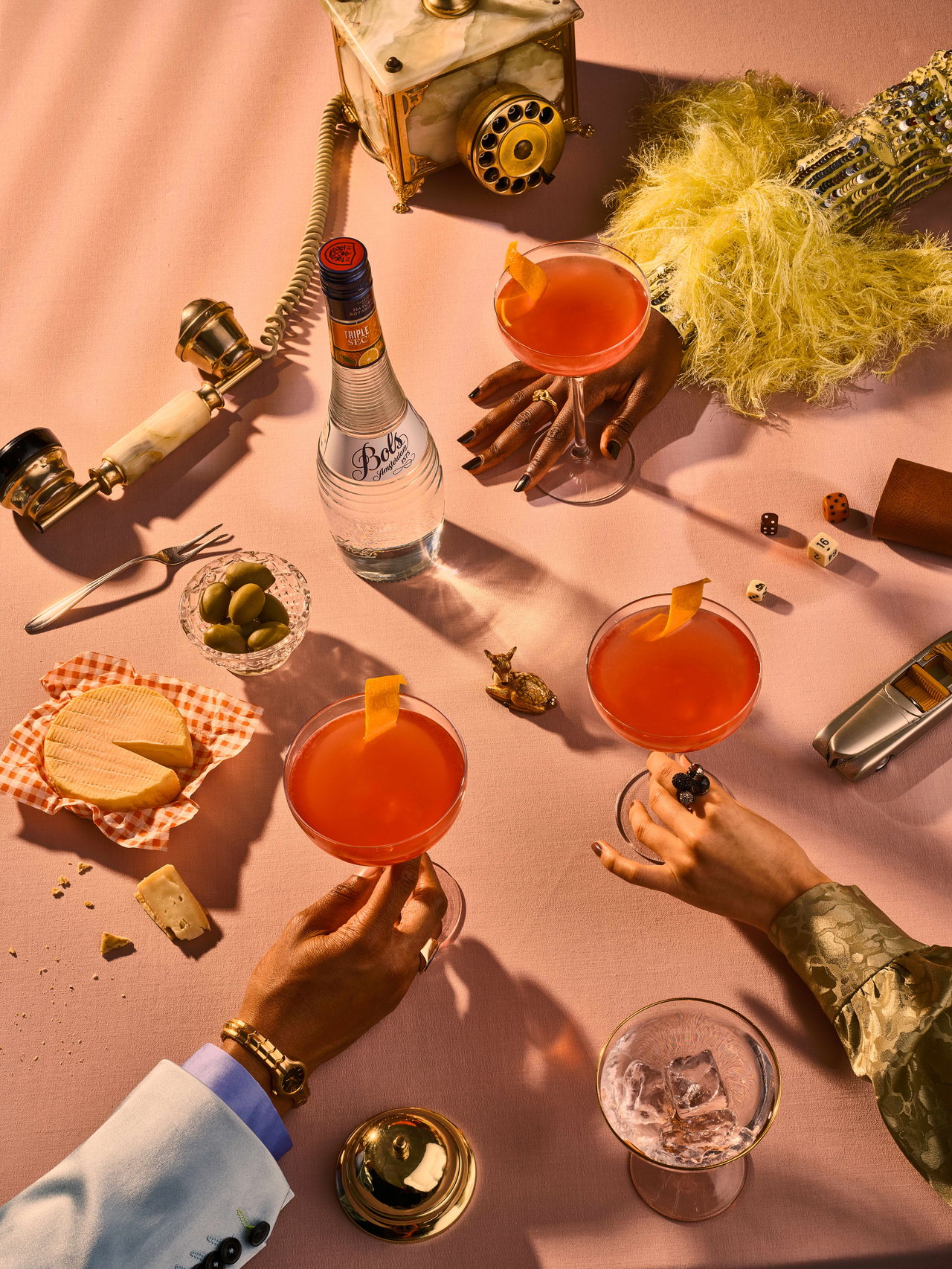
The blood and sand drink is a classic cocktail from the 1920s, built from four ingredients poured in equal measure: blended Scotch whisky, cherry liqueur, sweet vermouth, and fresh orange juice. It's shaken with ice and strained into a coupe or cocktail glass, usually finished with an orange twist. The result is smoky, fruity, and slightly bittersweet all at once.
What makes this cocktail interesting is how it bridges two very different drinking styles. If you love spirit-forward classics like a stirred whisky drink, you might expect the smoke from the Scotch to dominate. Instead, the orange juice and cherry liqueur soften the edges, while the sweet vermouth ties everything together with a herbal backbone. You'll still taste the whisky. You just don't have to love peat to enjoy it.
At the Bols Bartending Academy, we teach bartenders that equal-parts cocktails like this one are actually the hardest to master, precisely because there's nowhere for a weak ingredient to hide. A common mistake we see in practice is bartenders reaching for a heavily peated Scotch because it feels like the "premium" choice. On paper it sounds like an upgrade. In the glass, it throws off the whole balance and turns a layered sipper into a one-note smoke bomb.
Why Does Equal-Parts Balance Matter So Much in This Cocktail?
Because none of the four ingredients acts as a base spirit in the traditional sense, each one is doing an equal share of the work. A slightly off measurement, a stale bottle of vermouth, or bottled orange juice will show up immediately, since there's no dominant pour to mask it.
Think of it as a tasting comparison: a Scotch with light honeyed notes will let the cherry liqueur's tartness and the vermouth's herbal bitterness come through in layers, one after another. A smoky, peat-forward Scotch, by contrast, flattens that layering into a single smoky impression from first sip to last. Neither is "wrong," but only one delivers the drink as it was designed to be experienced.
Blood and Sand Drink Ingredients: What Goes Into the Glass
The blood and sand cocktail ingredients are straightforward and essential to the drink's success. Here's what you need:
| Ingredient | Amount | Notes |
|---|---|---|
| Blended Scotch Whisky | 22.5ml (¾ oz) | Choose a softer blend, not heavily peated |
| Cherry Liqueur | 22.5ml (¾ oz) | Select one with depth and slight tartness |
| Sweet Vermouth | 22.5ml (¾ oz) | Quality matters; avoid overly syrupy versions |
| Fresh Orange Juice | 22.5ml (¾ oz) | Always use freshly squeezed juice |
Because every part is equal, the quality of each component matters more than in cocktails where one ingredient dominates. Start with a blended Scotch rather than a heavily peated single malt. A softer, blended whisky lets the fruit and vermouth come through instead of fighting for attention.
For the cherry liqueur, look for one with real fruit character and a touch of tartness rather than pure candy sweetness. That tartness is what gives the drink its character and prevents it from tasting cloying. The sweet vermouth should be fresh and herbal, adding complexity without overwhelming the other flavors.
Finally, never use bottled orange juice. The difference between fresh-squeezed and processed juice will be immediately apparent in the final drink. Fresh juice provides natural acidity and brightness that ties the whole cocktail together.
How to Make a Blood and Sand Drink
Making a blood and sand drink requires only basic equipment and proper technique. Fill a cocktail shaker with ice, then add 22.5ml (¾ oz) each of Scotch, cherry liqueur, sweet vermouth, and fresh orange juice. Shake vigorously for 10 to 15 seconds until the shaker becomes frosted on the outside.
Double-strain into a chilled coupe or cocktail glass using both a hawthorne strainer and a fine mesh strainer to catch any ice fragments. Finish with a twist of orange peel expressed over the drink's surface, you'll pick up bright citrus oils the moment the peel is squeezed, without adding a single extra ingredient.
The key to success is proper chilling and aeration. This cocktail is shaken, not stirred, because the orange juice needs vigorous mixing to integrate smoothly with the spirits and vermouth. Without proper shaking, the drink can taste separated and unbalanced.
Why Choose a Blood and Sand Drink?
When selecting the right cocktail, the blood and sand drink offers versatility. It works as an aperitif before dinner, as a sophisticated brunch option, or as an evening drink that won't leave you overwhelmed. It's perfect for someone transitioning from lighter drinks to spirit-forward cocktails, yet experienced drinkers appreciate its technical balance and layered flavor profile.
The equal-parts construction makes it memorable and easy to order anywhere, and it scales beautifully for cocktail parties or home gatherings, just multiply each measurement by the number of guests and batch it in a pitcher with ice. If you're serving a group, please make sure everyone enjoys responsibly and that non-drinkers have a good alcohol-free option on hand.
Whether you're new to classic cocktails or refining your palate, the blood and sand drink deserves a place in your repertoire. Getting four equal parts to actually taste balanced takes real control over proportion, ice, and technique. That's exactly what we teach in Foundations of Mixology, part of Bartending Skills Level 1 at the Bols Bartending Academy, where you learn why a cocktail works, not just how to pour it.
Not sure which course fits you best? The Bols Bartending Academy → offers a full range of courses, from beginner-friendly Bartending Skills to advanced Cocktail Creation and Spirit Knowledge programs. Mastering an equal-parts classic like the blood and sand cocktail is exactly the kind of balancing skill you build there. Take a look and find the path that matches where you are today, and where you want to go.
Frequently Asked Questions
Can I use a different type of whisky in a blood and sand drink?
While Scotch is traditional, you can experiment with Irish whiskey or bourbon. However, heavily peated Scotches may overpower the other ingredients. A lighter blend works best.
What's the best cherry liqueur to use?
Maraschino, cherry curaçao, or quality cherry brandy all work well. Look for real fruit character over candy sweetness. Taste before committing to a full bottle if possible.
Can I make a blood and sand drink without fresh orange juice?
Fresh juice is strongly recommended for the best flavor. Bottled juice will produce a noticeably inferior result and may taste flat or overly sweet.
Is the blood and sand drink suitable for large batches?
Yes, its equal-parts format makes scaling simple. Multiply each ingredient by the number of drinks needed and prepare in a large pitcher with ice. As with any group serve, keep an eye on pace and offer water and food alongside the cocktails.
Want to develop this kind of balance and proportion skill beyond a single recipe?
The Bols Bartending Academy offers a full range of courses, from one-day introductions to in-depth spirit knowledge and bar management programmes, so you can choose the path that matches your level and ambition. Explore the course options at the Bols Bartending Academy →
Please enjoy Bols responsibly. 18+ only.