Alcoholic iced tea drink ideas: tea and coffee cocktails worth shaking up
Share
An alcoholic iced tea drink is a cocktail built on brewed, chilled tea instead of soda or fruit juice, using the tea's tannins and aroma to carry the spirit rather than mask it. The same logic applies to coffee: espresso or coffee liqueur adds bitterness, body and depth to cocktails such as the Espresso Martini. Both ingredients turn a familiar household staple into a proper mixing base, and once you understand how they behave, you can build a whole range of drinks around them.
Key Takeaways
- Tea and coffee are flavour bases, not fillers: they add tannin, bitterness and aroma that shape a cocktail's structure.
- Black tea suits darker spirits, while green or herbal tea works better with lighter, botanical bases.
- Coffee liqueur and freshly pulled espresso form the backbone of coffee cocktails, most famously the Espresso Martini.
- A short steep and a proper chill (or a quick shake with ice) prevent a tea or coffee cocktail from tasting watery.
- Both categories are easy to adapt for lower-alcohol or alcohol-free versions without losing character.
How does tea work as a cocktail base?
Tea works as a cocktail base because it brings tannins, aroma and a natural bitterness that gives a drink backbone, the same way citrus or bitters do in a classic recipe. Black tea leans toward malt and bitterness, which suits darker spirits, while green tea is lighter and more vegetal, pairing naturally with brighter, more botanical bases.
At the Bols Bartending Academy, trainers often explain this to students the same way they'd explain balancing a Whiskey Sour: you need something bitter, something sweet, and something that ties the two together. Tea does the bitter part for you, so you can focus on getting the sugar and spirit ratio right. A good starting point is to brew tea slightly stronger than you would for drinking, then chill it fully before mixing. Diluting with ice after brewing (roughly one part strong tea to one part ice melt) keeps the flavour intact instead of watering it down.
Unlike a simple mix of beer and ginger ale, which leans on carbonation and sweetness for its character, an iced tea cocktail depends entirely on the tea itself for structure and depth. That's what makes it more interesting to build from scratch: every choice, from tea type to steep time, actually changes the final glass. Herbal or fruit teas (hibiscus, peach, chamomile) can replace part of the sugar syrup in a recipe, since they already carry sweetness and aroma on their own.
Step-by-step: building an alcoholic iced tea drink at home
Here's a straightforward recipe to start with: a Bourbon Iced Tea Cocktail, built around black tea and a spirit that can stand up to its tannins.
- Brew 200ml of strong black tea and let it cool completely, ideally in the fridge for at least an hour.
- Fill a highball glass with ice.
- Add 45ml bourbon, 15ml fresh lemon juice, and 15ml simple syrup.
- Top with the chilled tea, stir gently, and garnish with a lemon wheel and a sprig of mint.
The result is refreshing rather than heavy, with the tea's tannins softening the bourbon's sharper edges. If you prefer a lighter, more floral version, swap the black tea for a chilled green tea and the bourbon for gin, then finish with a splash of elderflower liqueur instead of syrup. For a more herbal, aniseed-driven variation, a small measure from anise-flavoured spirits like pastis or sambuca can replace part of the syrup for a completely different aromatic direction.
If you're mixing for a group or want something lower in alcohol without losing the iced tea character, it's worth looking at low alcohol cocktail options that keep the tea-forward structure but reduce the spirit measure. That approach works particularly well for daytime gatherings or long summer afternoons where you want people to keep drinking comfortably.
What are alcohol coffee drinks and why do they work?
Alcohol coffee drinks combine brewed coffee, espresso or coffee liqueur with a spirit to create a cocktail where bitterness, sweetness and alcohol all balance each other out. The bitterness from the coffee cuts through the sweetness of the liqueur, while the spirit adds warmth and depth, which is exactly why the combination has lasted so long behind the bar.
Coffee's role in a cocktail isn't just flavour, it's also texture. Espresso, when shaken hard with ice, creates the fine, long-lasting foam that defines drinks like the Espresso Martini. That foam isn't a trick or an additive, it comes purely from the natural oils and proteins in freshly pulled espresso reacting to the shaking motion. This is one of the first techniques taught in bartending courses, because it shows how physical technique, not just ingredients, shapes the final drink.
An alcoholic beverage with coffee doesn't need to be complicated to work well. Even a simple Irish Coffee, built on hot coffee, brown sugar, and whiskey topped with lightly whipped cream, shows how few ingredients you need when the coffee itself does most of the work. The key is using coffee that's fresh and not over-extracted, since bitterness from stale or burnt coffee will throw off the whole balance.
Alcoholic coffee drinks worth mastering: from Espresso Martini to coffee spritz
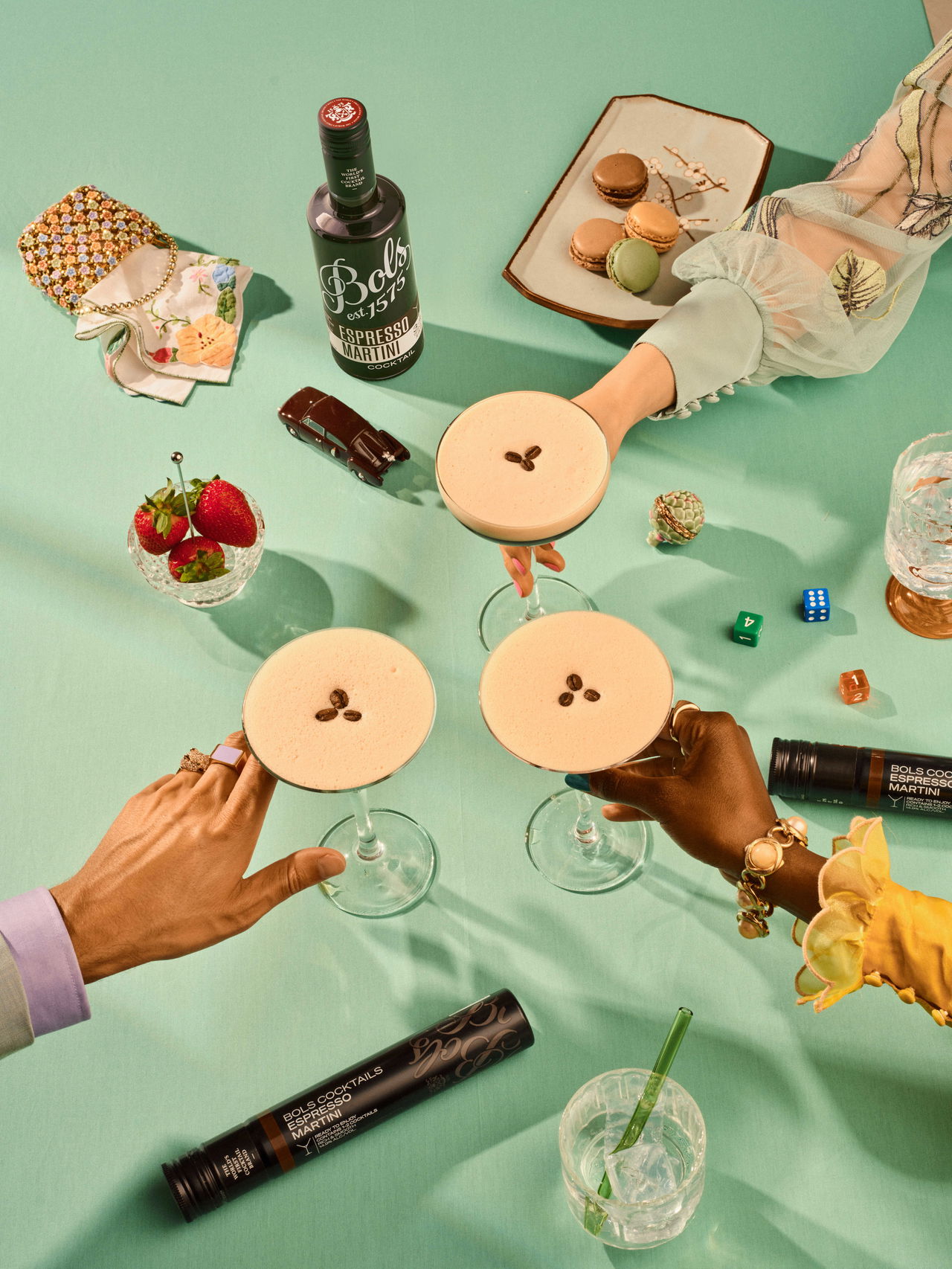
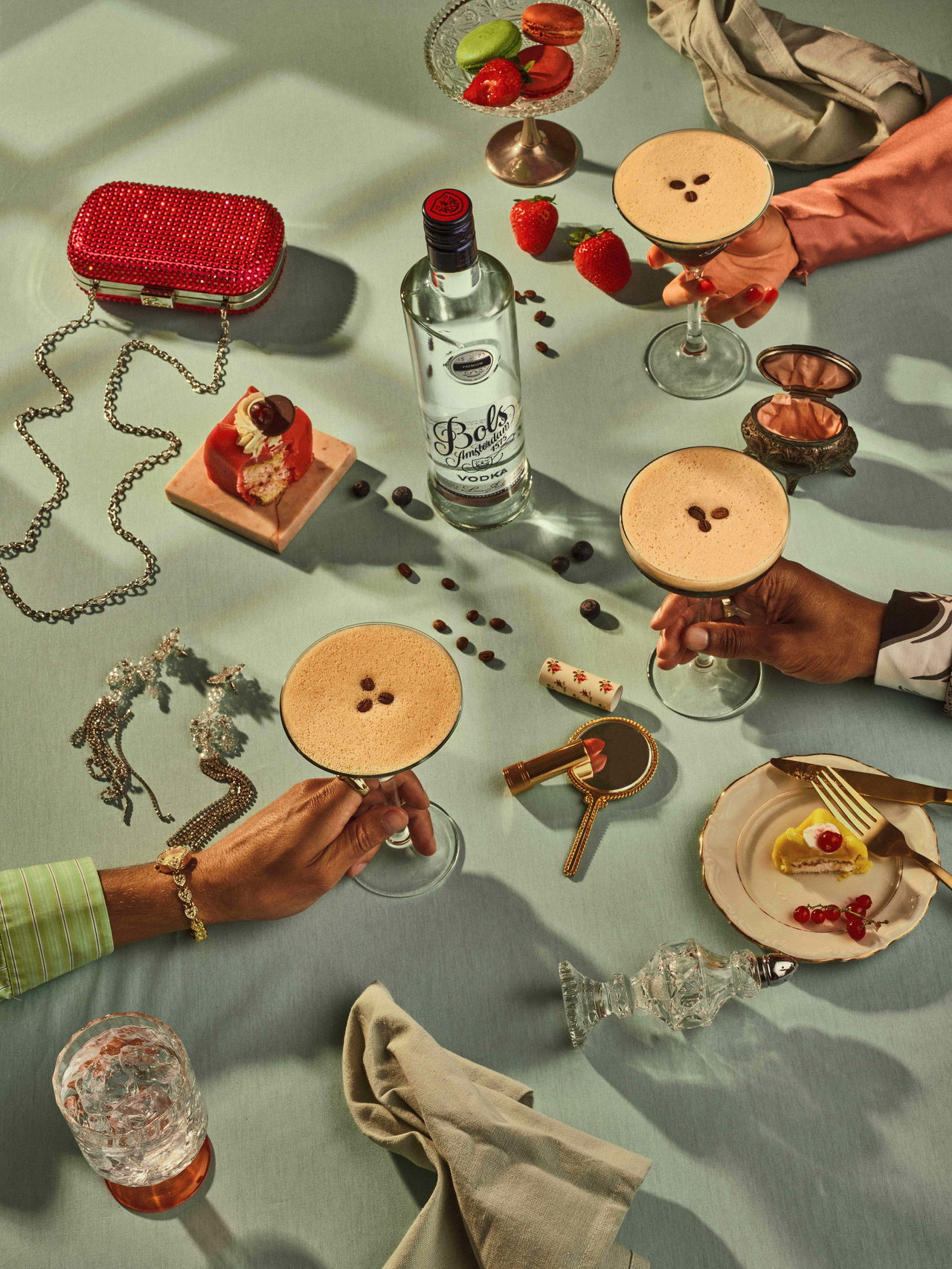
The Espresso Martini remains the clearest example of how alcoholic beverages with coffee earn their place on a cocktail menu. Shake 50ml vodka, 30ml Bols Coffee Liqueur, and 30ml freshly pulled espresso hard with ice for about fifteen seconds, then double strain into a chilled coupe glass. Garnish with three coffee beans. The hard shake is non-negotiable here: it's what builds that signature crema on top, and shaking too gently leaves you with a flat, thin drink.
For a deeper dive, see learn more about apricot brandy spritz.
For something lighter and more session-friendly, a coffee spritz swaps the vodka for sparkling wine and soda, keeping the coffee liqueur as the flavour anchor. It's a good option for warmer weather or for guests who want the coffee character without a heavier spirit base, and you can find the full build in the coffee spritz recipe. If you're after something closer to an after-dinner drink, coffee liqueur also fits naturally into the wider world of after dinner cocktails, where bitterness and warmth are exactly what you want once the meal is finished.
Anyone serious about mastering these builds, from the shake technique to ratio adjustments for different coffee liqueurs, will get more consistent results with hands-on practice than trial and error at home. That's the kind of detail covered step by step in professional bartending training, where students repeat the shake until the crema forms reliably every time.
Which spirits and liqueurs pair best with tea and coffee?
Dark spirits like bourbon, aged rum and brandy tend to pair best with black tea and coffee, since their oak and caramel notes echo the tannins and bitterness already present in the drink. Lighter spirits such as gin or lightly aged rum work better with green tea, herbal infusions or lighter coffee liqueurs, where you want brightness rather than heaviness.
Ginger brings its own bridge between the two worlds. A dash of Bols Ginger Liqueur in an iced tea cocktail adds warmth and spice without overwhelming the tea itself, and the same liqueur works surprisingly well in a coffee-based drink for a spiced twist on a classic build. If you want inspiration for combining coffee liqueur with other classic structures, the Americano cocktail recipes and variations offer a useful reference point for how bitterness and sweetness are typically balanced in Italian-style aperitivo drinks.
For those who enjoy experimenting with flavour and texture beyond the classics, it's worth browsing a wider set of creative cocktail ideas or exploring ready-to-drink options for a quicker route into both tea and coffee-based serves. Amaretto is another liqueur worth testing against coffee, since its almond sweetness plays well with espresso's bitterness, an approach you'll also spot in a well-built Amaretto spritz.
Frequently Asked Questions
Can you make an alcoholic iced tea drink without a shaker?
Yes. Since the tea is already chilled, you can build most iced tea cocktails directly in the glass over ice, stirring gently to combine the spirit, syrup and tea.
Does the type of tea really change the cocktail?
Yes, significantly. Black tea adds more tannin and bitterness for darker spirits, while green or herbal teas bring lighter, more floral notes that suit gin or lighter rums.
Why does my Espresso Martini not have foam?
This usually happens when the espresso isn't fresh or the shake isn't hard enough. Use freshly pulled espresso and shake vigorously with ice for at least ten to fifteen seconds.
Can I make these drinks with less or no alcohol?
Yes. Tea and coffee both carry enough flavour on their own to support a lower-alcohol or alcohol-free version, simply by reducing or omitting the spirit and adjusting sweetness to taste.
What's the easiest coffee cocktail for a beginner to start with?
An Irish Coffee is a good starting point, since it only needs hot coffee, whiskey, sugar and cream, with no shaking technique required to get a good result.